The Life of Mary Hamilton
Lorem ipsum dolor sit amet, consectetur adipiscing elit. Vivamus efficitur,
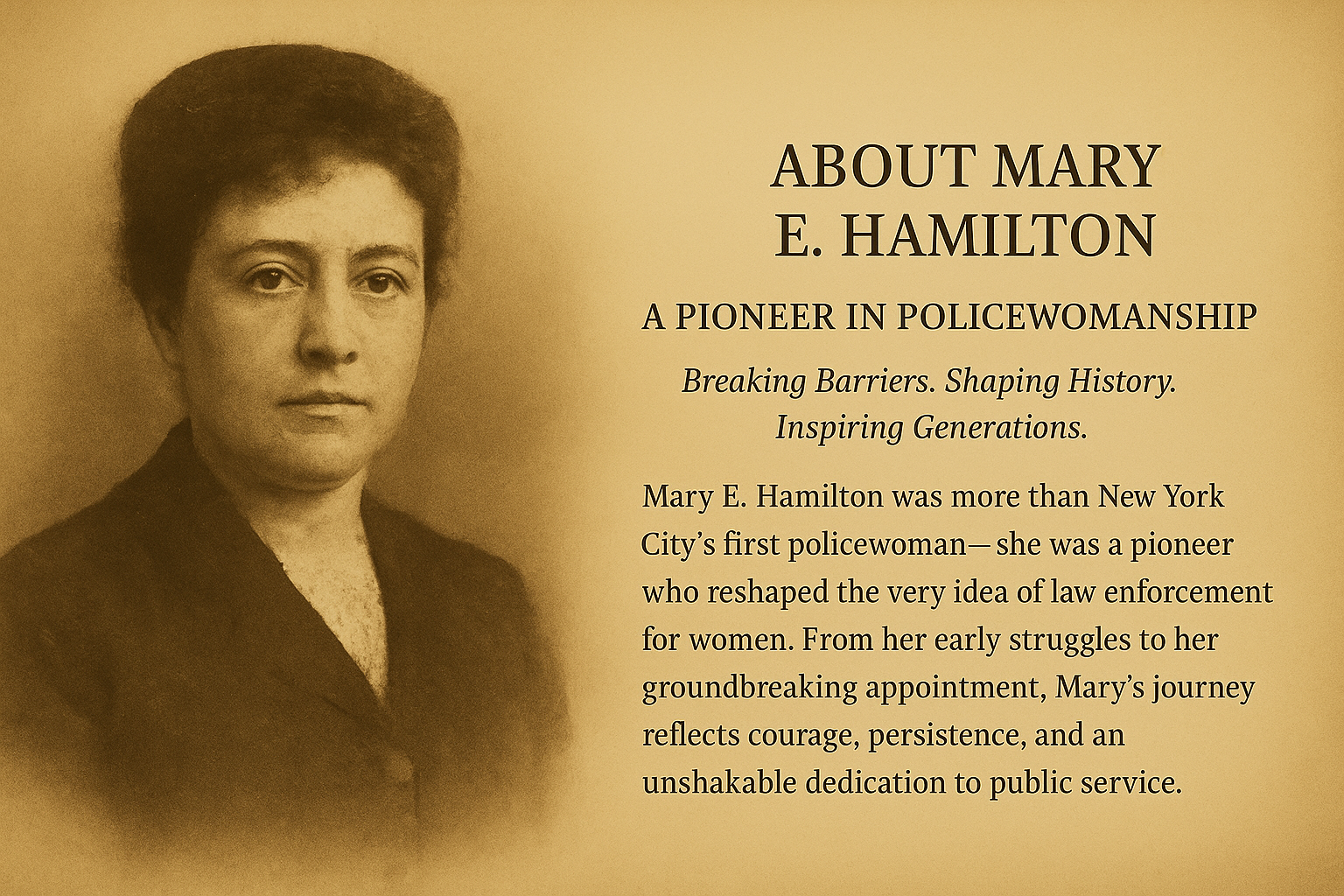
Born in the late 19th century, Mary’s upbringing instilled in her a strong sense of justice and service to others. She pursued her education at a time when women’s professional ambitions were often dismissed, preparing herself for a career that few could have imagined for a woman.
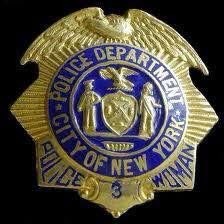
In 1918, Mary E. Hamilton became New York City’s first policewoman, appointed by Police Commissioner Richard Enright.
Her duties ranged from handling cases involving women and children to community safety initiatives.
She developed specialized training for women officers, setting a standard still recognized today.
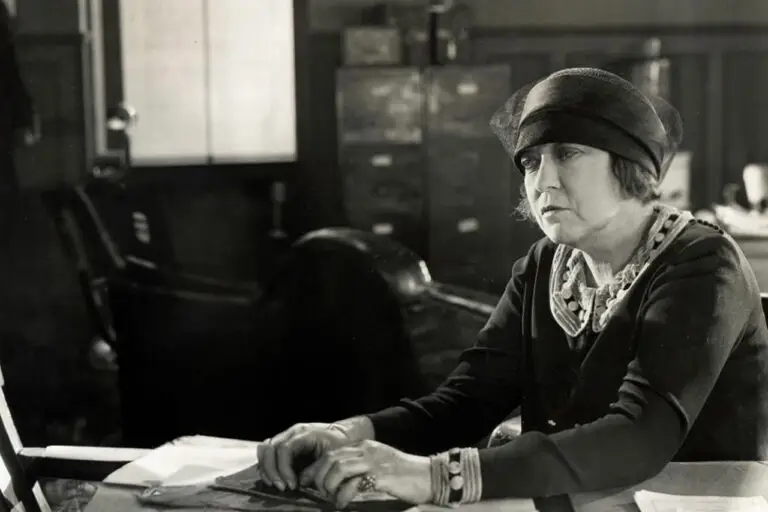
Mary E. Hamilton’s distinguished career reflects her pioneering spirit and unwavering dedication as a social reformer and policewomen pioneer. Her professional path began with social service work, specifically investigating tenement house conditions in Boston, where she served as secretary for the Anti-Tenement House League. This early experience highlighted the importance of social service as a foundation for effective policing. She later transitioned into industrial work, a field she engaged in for twenty years until her retirement eligibility. This period proved to be an excellent training school for her later public service, as she confronted “every possible social problem” while working with young girls and women in industry. Here, she learned the crucial lesson that “to help people one must first win their confidence and friendship,” a principle she championed for policewomen, emphasizing prevention and protection over force. At a crucial time during the World War, when “serious problems” arose concerning the protection and welfare of children, girls, and women, Mary E. Hamilton was assigned the “novel and difficult task of being New York City’s first policewoman”. Her initial role was with the Bureau of Missing Persons and Unidentified Dead, established after the Ruth Cruger case highlighted the need for better systems to locate missing persons and the necessity of women handling cases involving young girls and women. As a policewomen pioneer in New York City, she was initially a volunteer worker trained at a school of Social Science. Her services were specifically requested by prominent organizations who believed a woman protective officer could best look after the welfare of the city’s girls. She was instrumental in the development of the “famous Bureau of Missing Persons,” handling many missing girls cases. Despite initial skepticism from male officers, Hamilton demonstrated her worth by satisfactorily closing difficult cases, thereby changing opinions and establishing the policewoman’s role.
A significant milestone in her leadership was when the first Women’s Precinct in New York City was inaugurated in 1921 under her direction. This institution, designed exclusively for women, aimed to be a center where women could seek information, advice, or aid without the grim atmosphere of a traditional police station. The precinct, which Hamilton’s program called for a broad initiative encompassing an Information Bureau for Women, a City’s Guest Dormitory for Moral Girls, and a Training School for Policewomen, served as a civic educational center. Her efforts were foundational in establishing the “right way of using the service of women in police work” in New York City, leading to the success of policewomen there. Her work focused on improving human conditions through crime prevention and protection. She believed that policewomen should work as women, bringing their ideals of protection of home and family into their service, cooperating with men of the force, and operating as a distinct unit within a Woman’s Bureau.
Author: Wrote The Policewoman: Her Service and Ideals, a rare first-hand account of early policewomen’s work.
Advocate for Women in Law Enforcement: Mentored future generations of female officers.
Public Speaker: Addressed national conferences on crime prevention, juvenile justice, and the role of women in policing.
Mary E. Hamilton’s pioneering spirit and visionary approach laid an indelible foundation for women in law enforcement, ensuring her place as a true trailblazer in the field. She broke barriers in an era when the concept of female police officers was still in its infancy, proving that compassion and strength could coexist in effective policing.
Her advocacy for humanitarian approaches to law enforcement emphasized prevention over punishment, and she championed the importance of understanding social issues—such as poverty, mental health, and family welfare—in addressing crime. This forward-thinking perspective helped shift policing from a solely reactive force to a proactive, community-oriented service.
Hamilton also mentored young recruits, encouraging women to join the force and fostering leadership skills among them. Her ability to blend discipline with empathy not only influenced her peers but also became a guiding principle for future generations of officers.
Today, her legacy lives on in the growing number of women serving in leadership roles across law enforcement agencies worldwide, as well as in community policing models that prioritize trust, respect, and understanding. Mary E. Hamilton remains a timeless symbol of courage, innovation, and unwavering dedication to justice.
Lorem ipsum dolor sit amet, consectetur adipiscing elit. Vivamus efficitur,