The Policewoman: Her Service and Ideals (1924)
Mary E. Hamilton: Pioneer. Protector. Legend.
In 1924, Mary E. Hamilton did what no woman had done before—she stepped into one of America’s toughest institutions and rewrote its story from the inside out. Her authority didn’t come from theory but from a lifetime in the field: uncovering spies during World War II, pioneering fingerprint schools, rescuing runaways through the Bureau of Missing Persons, and founding The Opportunity Shop to give women a second chance. The Policewoman: Her Service and Ideals distilled it all—part memoir, part manual, part prophecy—declaring that compassion, not control, would be the true measure of justice.
📖 About the Book
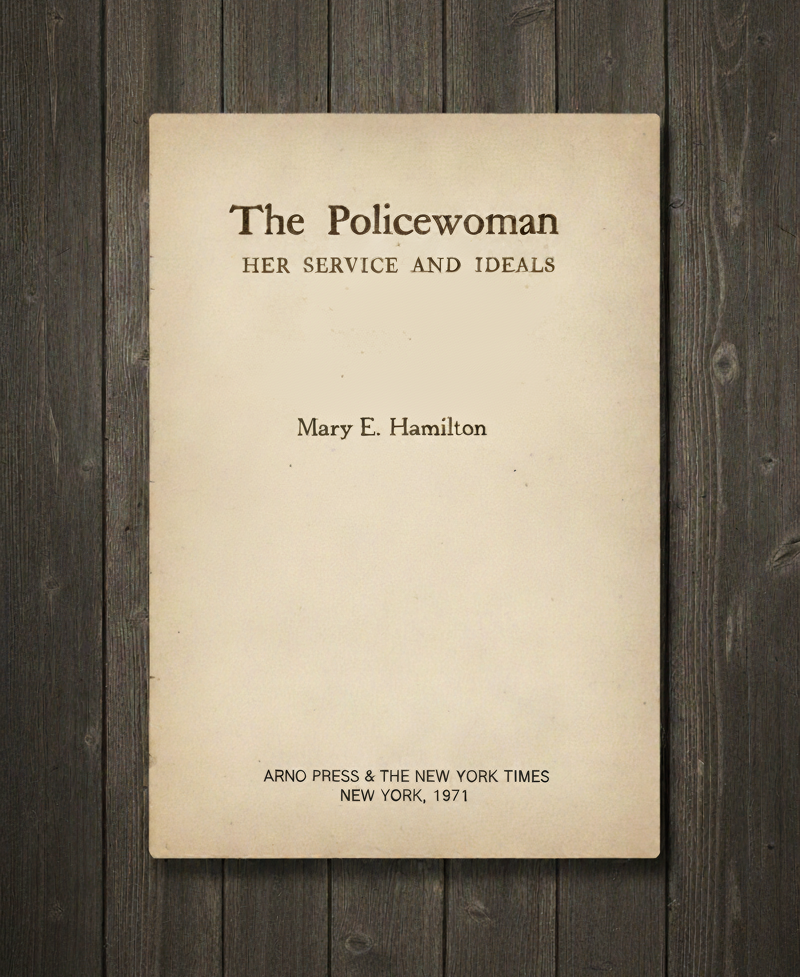
The Policewoman: Her Service and Ideals (1924)
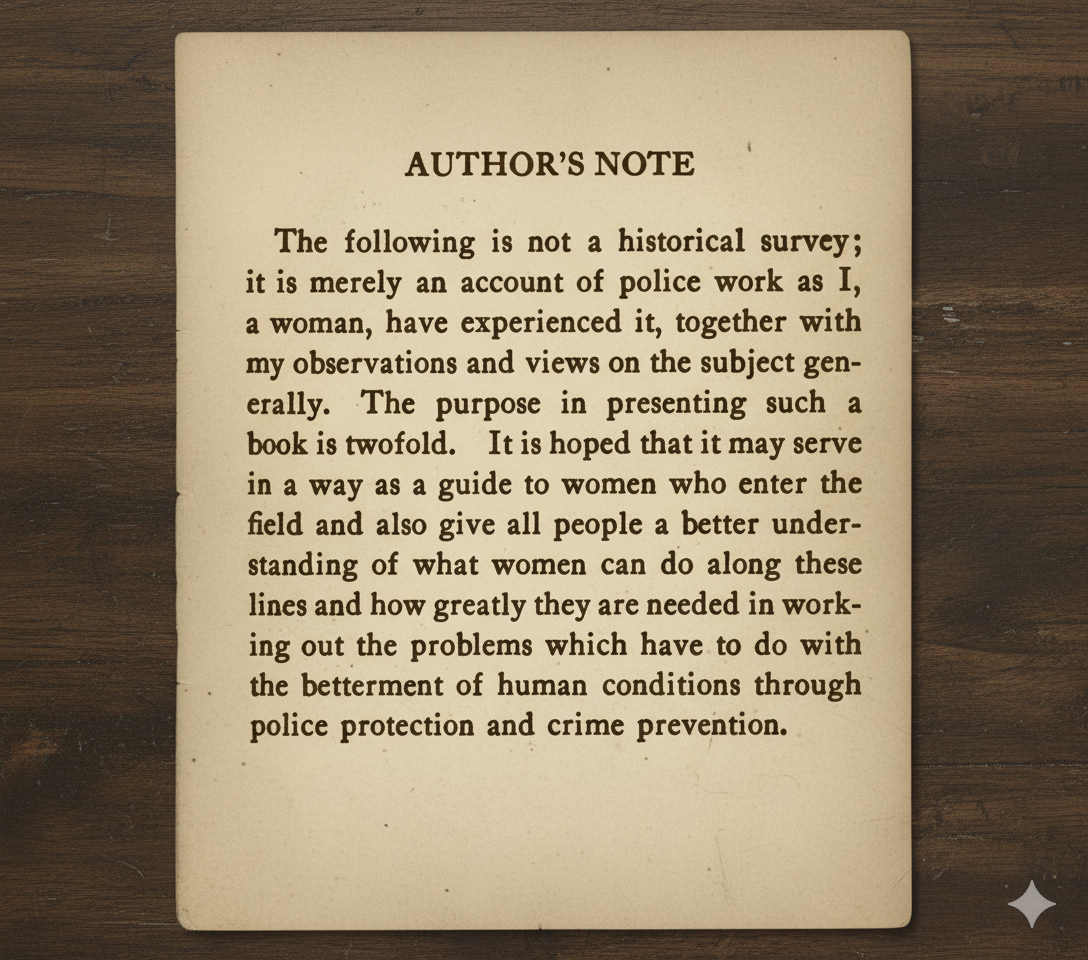
A landmark work written by Mary E. Hamilton, New York City’s first policewoman and one of the earliest voices shaping women’s roles in law enforcement. In this book, Hamilton set out to professionalize the emerging field of policewomen, arguing that their work required structured training, clear standards, and recognition equal to that of their male counterparts. More importantly, she introduced a radical idea for the era: that empathy could be systematized as a policing skill.
Hamilton believed that compassion, patience, and social understanding were not sentimental traits but professional tools essential for dealing with vulnerable women and children. Her writing helped legitimize women’s presence in policing, influencing early reform movements and inspiring departments nationwide to adopt more humane, community-centered approaches. The book stands as both a practical manual and a visionary statement about what law enforcement could become.
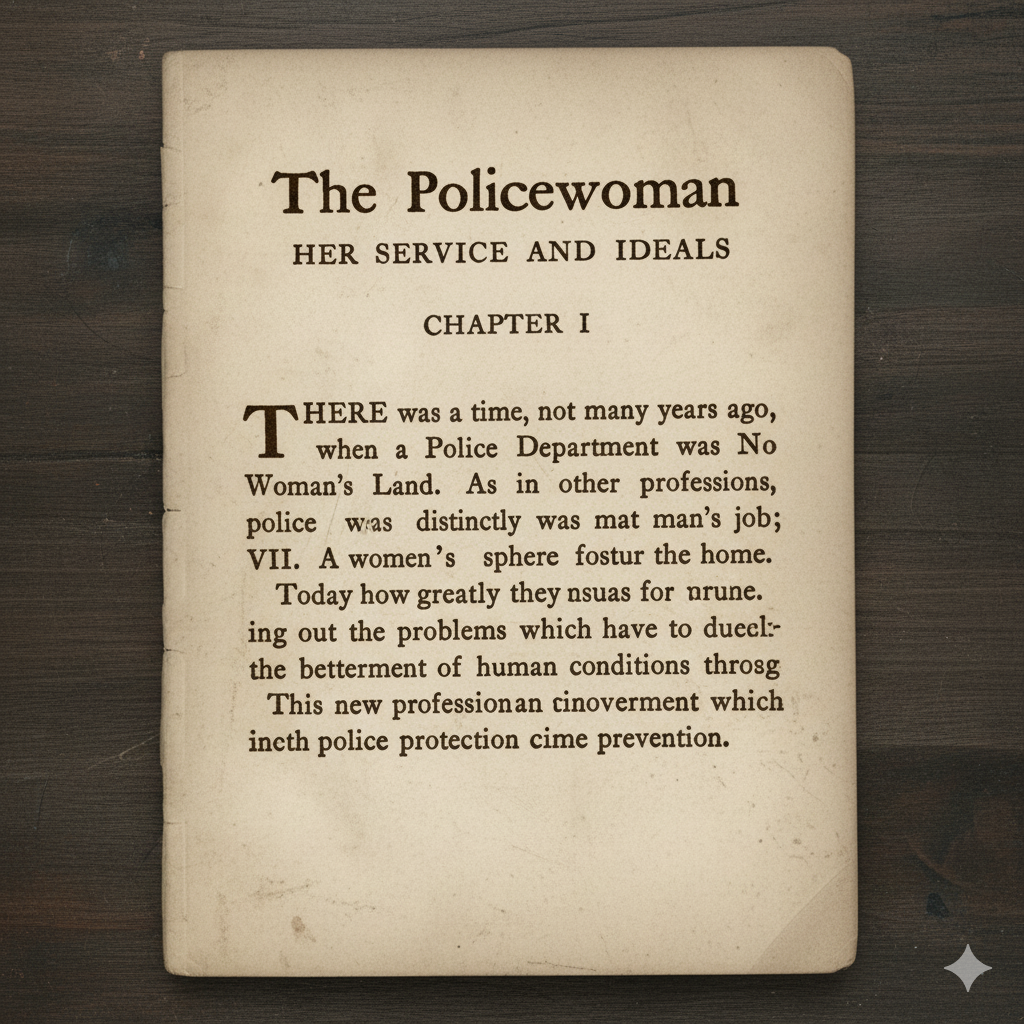
A policewoman must work as a woman and carry into the department a woman’s ideals
🧠 Education & Training
– Curriculum for compassion.
💡 Human Understanding
– Social service as the cornerstone of protection.
Building the Women’s Precinct from Ruin
She turned a forgotten basement into the first safe precinct for women.
The Runaway Girls and the Officer Who Couldn’t Reach Them
When logic failed, listening worked.
Training Philosophy Ahead of Its Time
She built standards, not slogans.
Why Prevention Matters More Than Arrests
Her argument for empathy as efficiency.
Mary in Her Own Words
Mary Revealed – The Making of a Policewoman
Anti-Tenement House League (Boston)
Social service awakening.
20 years mentoring factory girls
Learned human dynamics.
Motherhood
her “truest education in humanity.
Becomes NYC’s first policewoman
Launches Bureau of Missing Persons.
Publishes The Policewoman (1924).
Opens fingerprint school and The Opportunity Shop.
Opens fingerprint school and The Opportunity Shop.
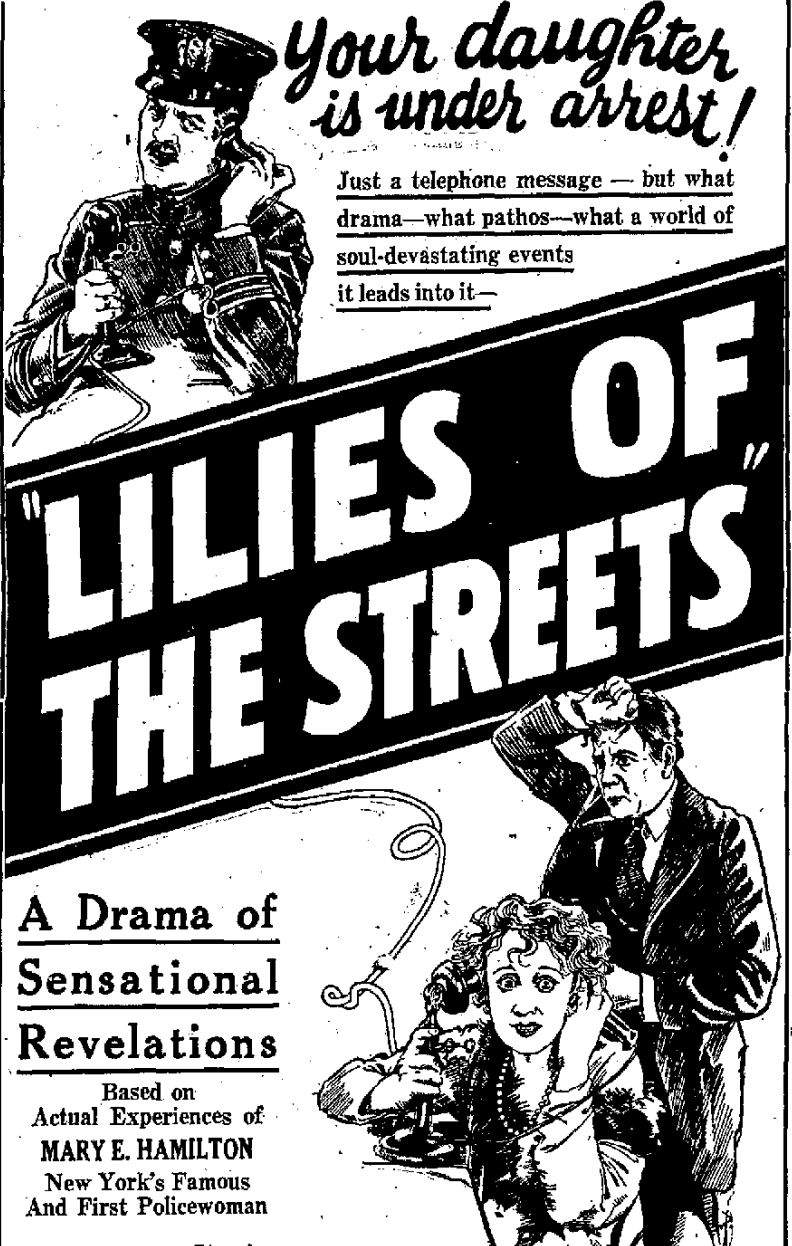
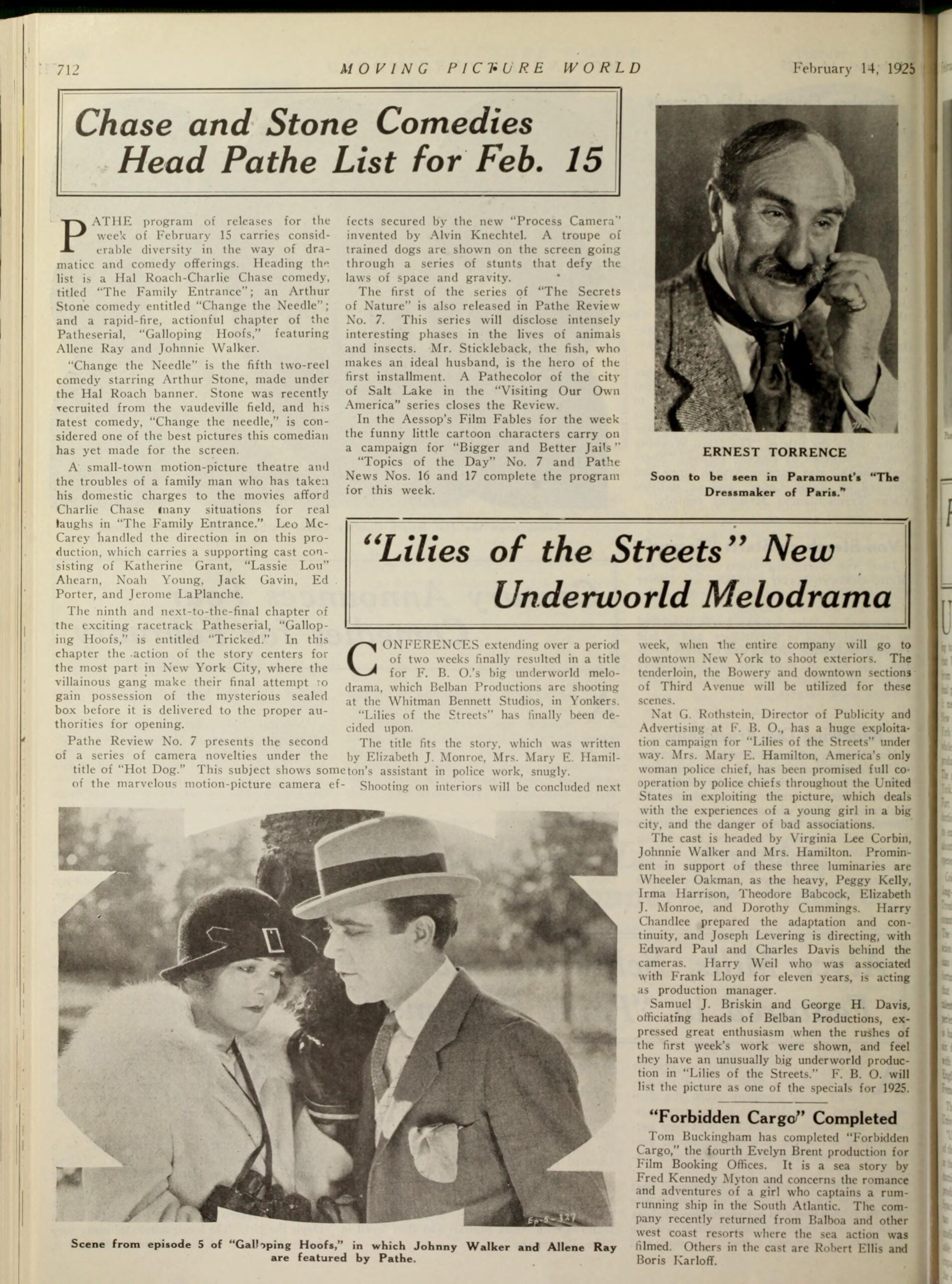
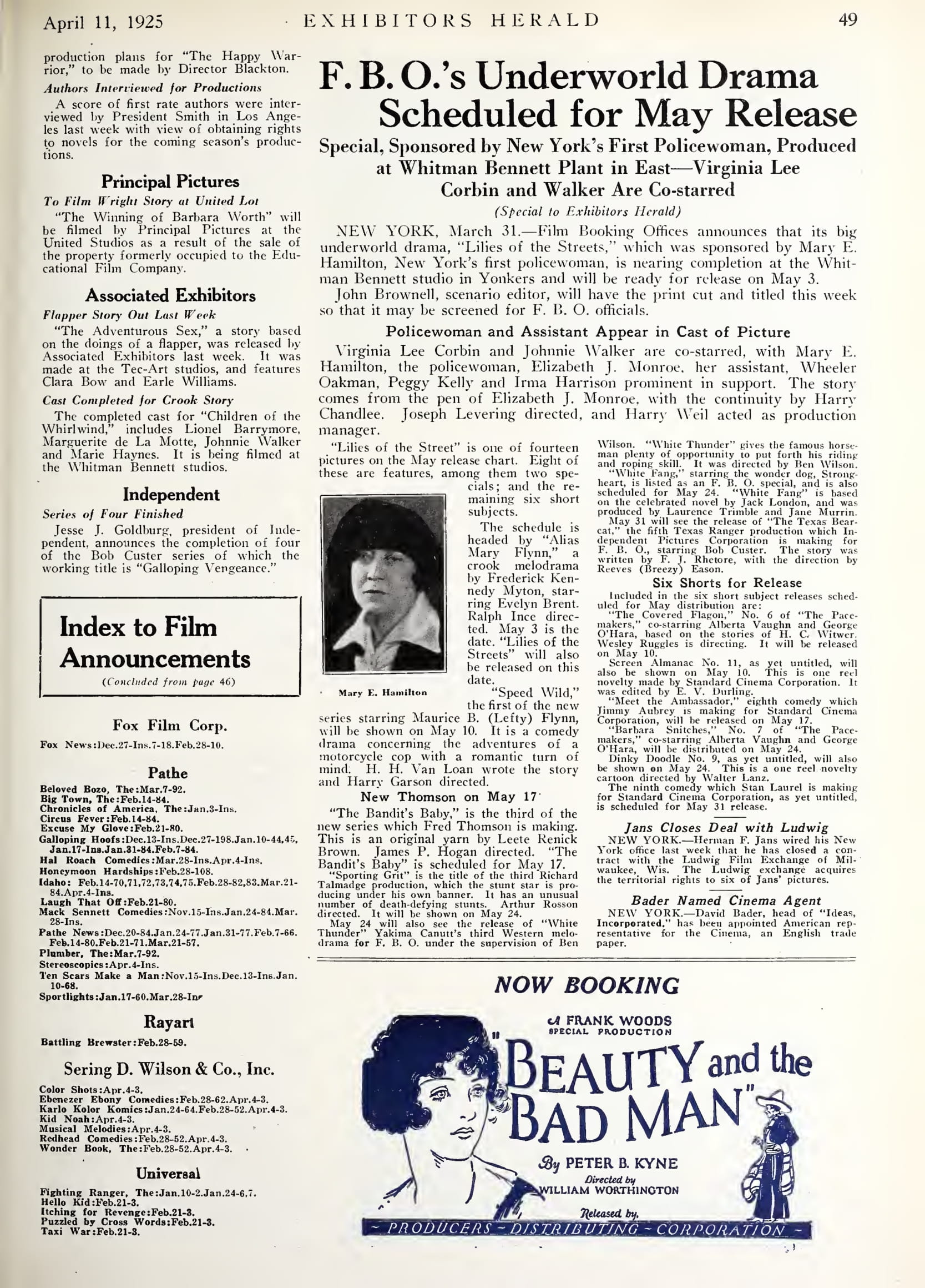
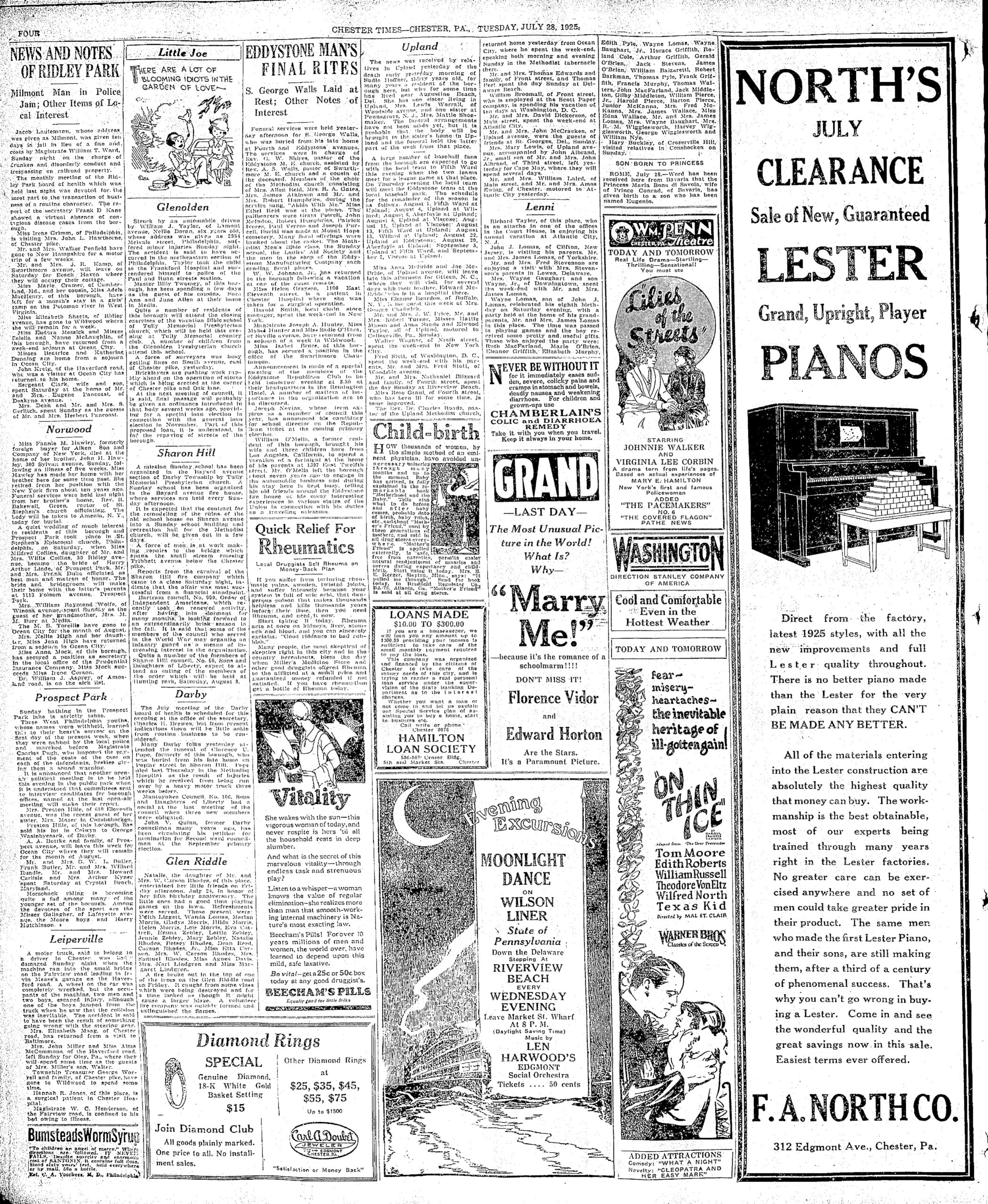
Stars as herself in Lilies of the Streets (1925).
WWII → helps expose a spy in New York.
✨ POWERFUL QUOTES FROM THE POLICEWOMAN (1924)
Historical Context
Summary:
Prologue – The Life Behind the Badge
ABOUT THE POLICEWOMAN (1924)
In 1924, Mary E. Hamilton published one of the earliest books ever written by a woman in law enforcement — a groundbreaking manual that laid the foundation for modern preventive policing.
What makes this book remarkable is that Mary didn’t write it from a distance. She wrote it in the middle of building an entirely new profession. As New York City’s first policewoman, she pulled from her field experience, her background in social service, and her intuition as a mother to create a philosophy that shaped policing for generations.
Mary believed that the most powerful form of policing happens long before a crime occurs.
Prevention. Protection. Human dignity.
These themes run through every chapter.
This page honors her original work by presenting key ideas, visuals, and quotes from the 1924 edition — so visitors can experience Mary’s voice exactly as she wrote it.
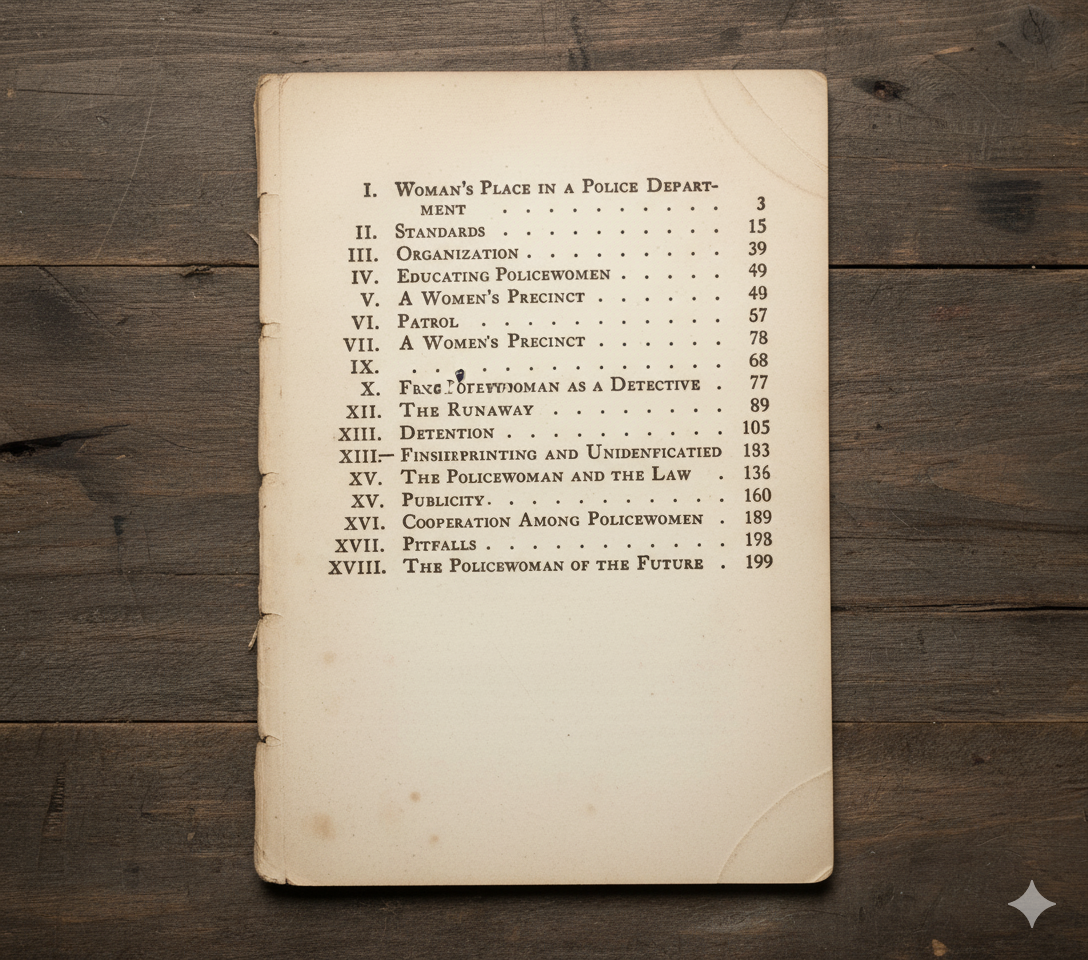
Chapter-by-Chapter Summary of The Policewoman: Her Service and Ideals (1924)
Mary Hamilton explains why policewomen belong in modern law enforcement. Drawing on home ideals, maternal instincts, and social-service training, she argues that women bring a preventative, humanizing force to policing — smoothing the rough edges, protecting the vulnerable, and offering guidance rather than intimidation.
Hamilton insists that policewomen must meet high professional standards. Education, physical fitness, civil-service examinations, strong character, and emotional steadiness are non-negotiable. Competence, she argues, is the armor pioneers must wear.
She outlines a full “Woman’s Program” for integrating policewomen into a department. This includes units for Information & Aid, Protection & Prevention, Missing Persons, Personnel & Welfare, and Education. It is one of the earliest organizational blueprints for women in policing.
Hamilton details the training she believes essential: psychology, social work, public health, law, geography, and jiu-jitsu for self-defense. She argues that education forms the backbone of authority — not weapons.
She recounts building New York’s first Women’s Precinct in 1921. Transforming a filthy abandoned station into a warm, safe, club-like refuge for girls and mothers, Hamilton shows how environment itself can be preventative justice.
Here she describes women’s unique role in patrol work — especially in crowded districts, dance halls, movie theaters, and transit centers. Patrolwomen observe, advise, intervene early, and keep girls from drifting into danger.
Hamilton emphasizes investigative skill. Women detectives, she argues, excel in interviewing, reading emotion, and gaining trust. Their advantage lies in patience, intuition, and their ability to move unnoticed through social spaces.
One of Hamilton’s specialties. She explains why girls run away — poverty, fear, exploitation, misunderstanding — and how policewomen can locate them, win their confidence, and rebuild family ties before the courts become involved.
This chapter critiques the harsh conditions of women’s detention. Hamilton advocates humane temporary shelters, proper supervision by women, and a focus on care rather than punishment.
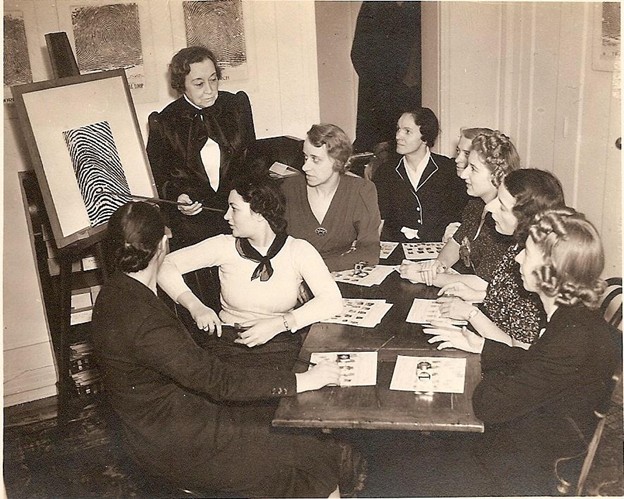
One of Hamilton’s most historically significant chapters. She recounts her years of fingerprinting work, training detectives, identifying the unclaimed dead, and pushing for universal fingerprint adoption.
Hamilton describes founding the Bureau of Missing Persons and handling countless cases involving runaway girls, exploited women, and unidentified bodies. Her early methods form the backbone of modern missing-persons investigations.
She explores why women and children become involved in crime and argues that early intervention — counseling, shelter, education — prevents lifelong harm. For Hamilton, crime is not moral failure but a social illness.
Hamilton explains how newspapers can either help or hurt policewomen. Responsible publicity educates the public about protective work; sensational reporting undermines trust.
Her core philosophy: prevent before you punish. Hamilton argues that protective officers reduce poverty, exploitation, and juvenile delinquency through hands-on social work.
She outlines the legal knowledge policewomen must master — from juvenile law to court procedure — and explains how they navigate the justice system with both authority and compassion.
Hamilton argues for national cooperation among policewomen — shared training, shared intelligence, and a professional network to strengthen the field. She saw this collaboration as essential to the profession’s legitimacy.
She warns new policewomen of the dangers of naïveté, fatigue, over-emotion, or “trying to act like men.” The greatest pitfall, she says, is losing sight of service and ideals.
Hamilton ends with prophecy. She envisions a coming era where policewomen stand beside men as equals, researching the roots of crime, protecting children, and applying scientific methods to prevent harm.
Lessons From the Book
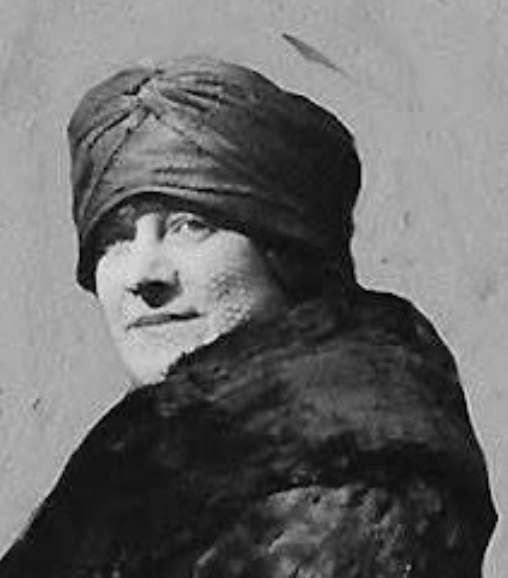
Before she ever pinned on her shield, Mary E. Hamilton had already lived several lifetimes. She had been an industrial artist, a social worker, a mother, a reformer, and, quietly, one of the most remarkable women in New York City history.
By the time The Policewoman: Her Service and Ideals was published in 1924, Hamilton had already founded the nation’s first Bureau of Missing Persons, trained detectives in fingerprinting, and worked side-by-side with police chiefs and morgue officials to identify the unclaimed dead. Her book arrived at the midpoint of an astonishing life. The moment when experience, motherhood, and reform converged into a new profession.
She was part legend, part folk hero, the rare detective who inspired both laughter and law reform.
This is the woman who wrote The Policewoman: Her Service and Ideals — and the ideals she put to paper changed everything that came after.

1. Introduction – A Pioneer’s Manifesto
In 1924, Hamilton released a book that sounded less like policy and more like prophecy. She wrote not as an observer but as an architect. Policewomen, she argued, were not auxiliary forces but the missing link between crime and community.
Her opening pages frame a vision larger than policing itself: the transformation of authority into empathy, and discipline into service.
“Experience is the great teacher of us all,” she wrote, “but for the American policewoman there has practically been no other guide.”
This was the guide — written from within the system, to reform it from the inside.
2. Foundational Insight – Social Service as the Cornerstone
Hamilton’s career began decades before her badge. As secretary to the Anti-Tenement House League of Boston, she learned the machinery of urban suffering: overcrowded housing, exploitative landlords, and neglected children.
Those years birthed her philosophy: prevention is the purest form of protection.
“To help people, one must first win their confidence.”
That line became her credo. She saw social service not as charity but as strategy — a foundation strong enough to rebuild public trust. In today’s language, she turned law enforcement into human-centered design.
3. The Human Advantage
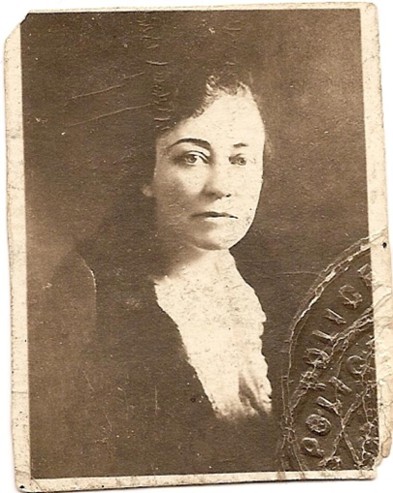
Mary Hamilton refused to masculinize her method. She believed women’s instincts — patience, perception, maternal intuition — were the exact tools policing lacked.
She wrote that a good policewoman
“must work as a woman and carry into the department a woman’s ideals.”
In an age of truncheons and brute enforcement, she elevated emotional intelligence to a professional qualification. Her approach anticipated what modern leadership theorists call servant leadership: influence through compassion, not command.
4. Standards and Training – Raising the Bar
Hamilton didn’t want “lady officers.” She wanted professionals.
In 1921, New York held its first Civil Service Exam for Patrolwomen, testing candidates on social work, psychology, public health, and local geography. Hamilton pushed for it — not as a gatekeeper, but as a builder of credibility.
“Only through standardization,” she warned, “can progress be made.”
She knew that for pioneers, competence is armor. Her insistence on training, education, and physical fitness turned the policewoman from novelty to necessity.
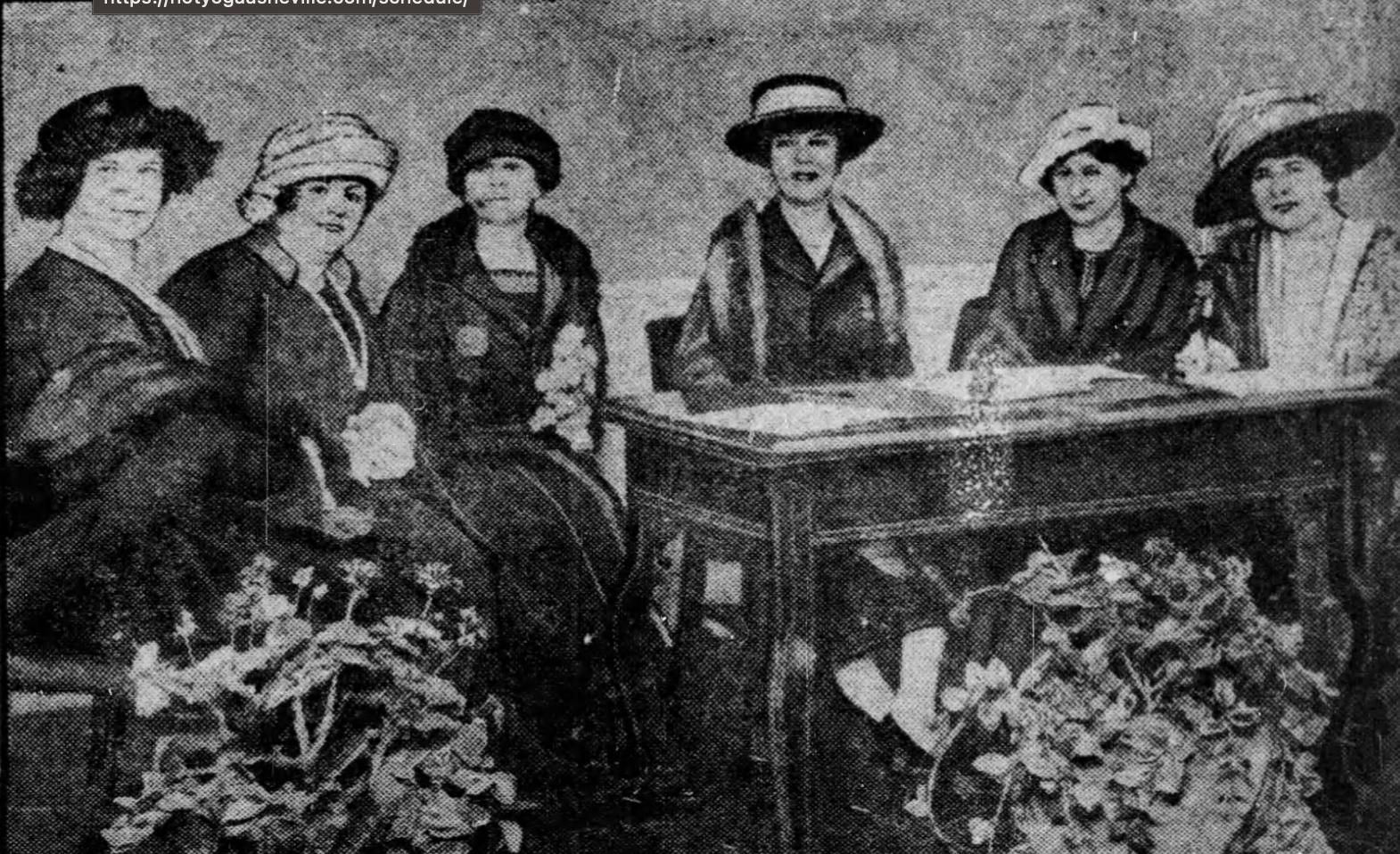
5. The Organization Blueprint – A Woman’s Program
Long before management consulting existed, Hamilton drafted an organizational chart that reads like a modern startup plan.
Her “Woman’s Program” proposed five integrated bureaus:
- Information and Aid – a civic helpdesk for women in trouble.
- Protection and Prevention – early intervention teams for at-risk youth.
- Bureau of Missing Persons – specialized investigation for women and children.
- Personnel and Welfare – internal support for officers’ families.
- Education – continuous training and public outreach.
Each division served a single philosophy: protect before you punish. It was one of the earliest examples of systems thinking in American public administration.
6. Culture and Collaboration
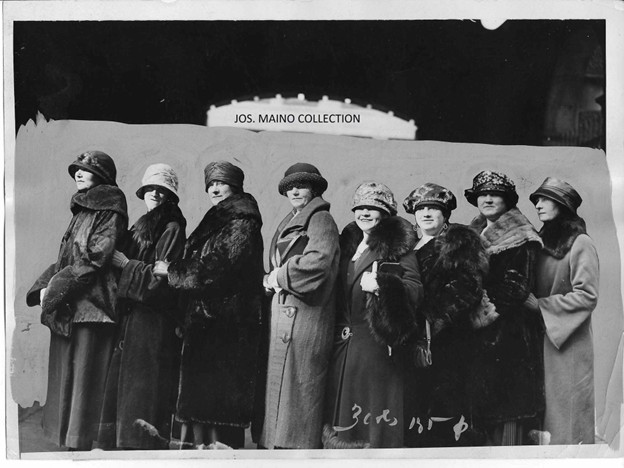
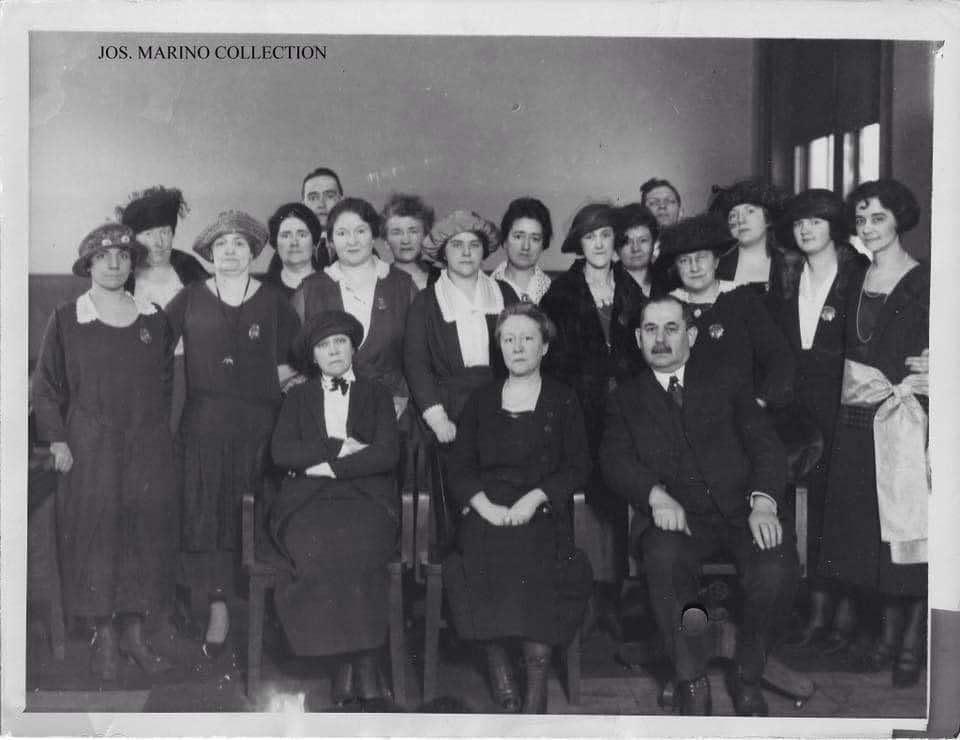
Change, Hamilton learned, cannot be forced. When she first entered the department, many male officers dismissed her as ornamental. Rather than confront them, she collaborated — quietly solving the cases no one else could.
Her method: out-serve the skeptics.
When the press reported her success with missing-girl cases, resistance faded. Hamilton’s diplomacy offers a timeless lesson: culture doesn’t change through confrontation; it changes through proof of value.
7. The Economics of Empathy
Hamilton reframed compassion as cost-savings. Every life diverted from prison or poverty, she argued, was money returned to the city.
“It is better and cheaper,” she quoted Lady Astor, “to give stranded girls advice and shelter than to let them drift until they become charges on the community.”
That’s 1920s language for today’s social ROI. She treated kindness as infrastructure — a public investment yielding generational dividends.
8. The Profession of the Future
In one of her most striking analogies, Hamilton compared policewomen to trained nurses. Both professions began as moral crusades and matured into essential services.
“The offender against society is the sick man of today,” she wrote, “and the institution of policewomen to look after these sick people is as great and hopeful an enterprise as trained nursing.”
She predicted that one day, policing would evolve from punishment to prevention, from authority to assistance. Nearly a century later, community-based policing, trauma-informed care, and restorative justice all echo her vision.
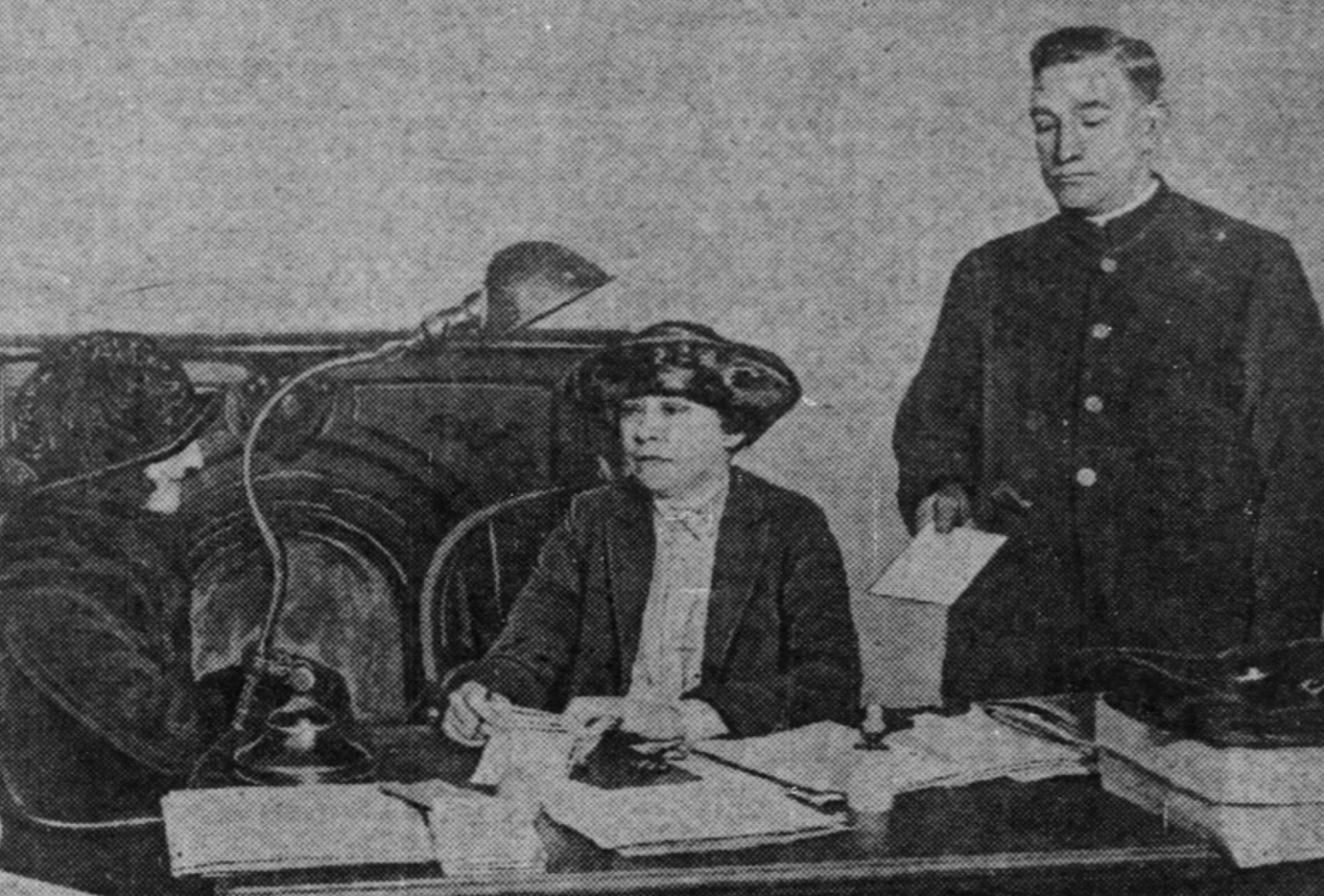
9. Beyond the Book – Mary Hamilton’s Later Adventures
After The Policewoman was published, Hamilton’s influence expanded far beyond law enforcement.
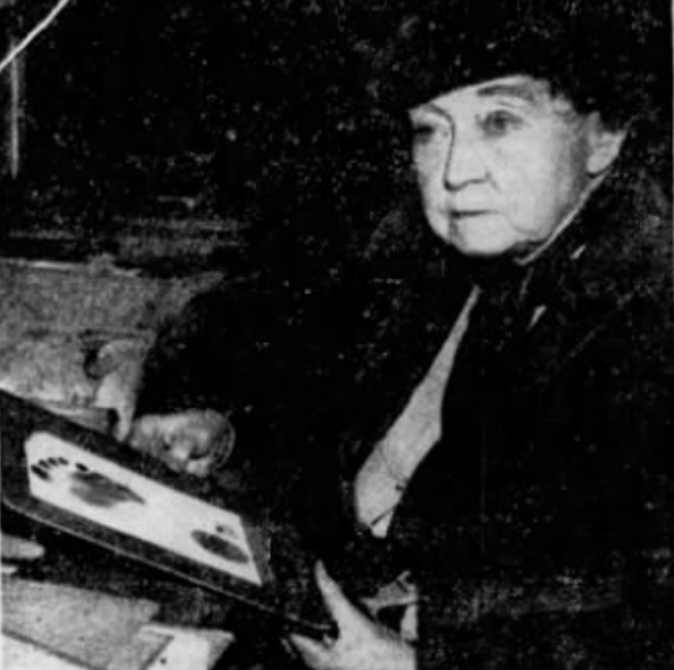
- Fingerprinting Pioneer: She established fingerprint schools for men and women, advocating for universal fingerprinting decades before it became standard.
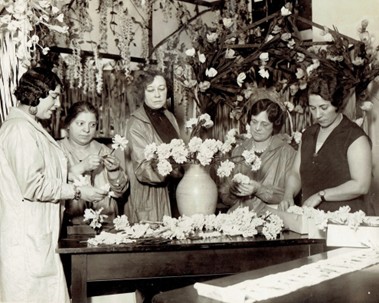
- The Opportunity Shop: She founded a workshop that trained and employed ex-offenders and struggling women — a social-enterprise model long before the term existed.
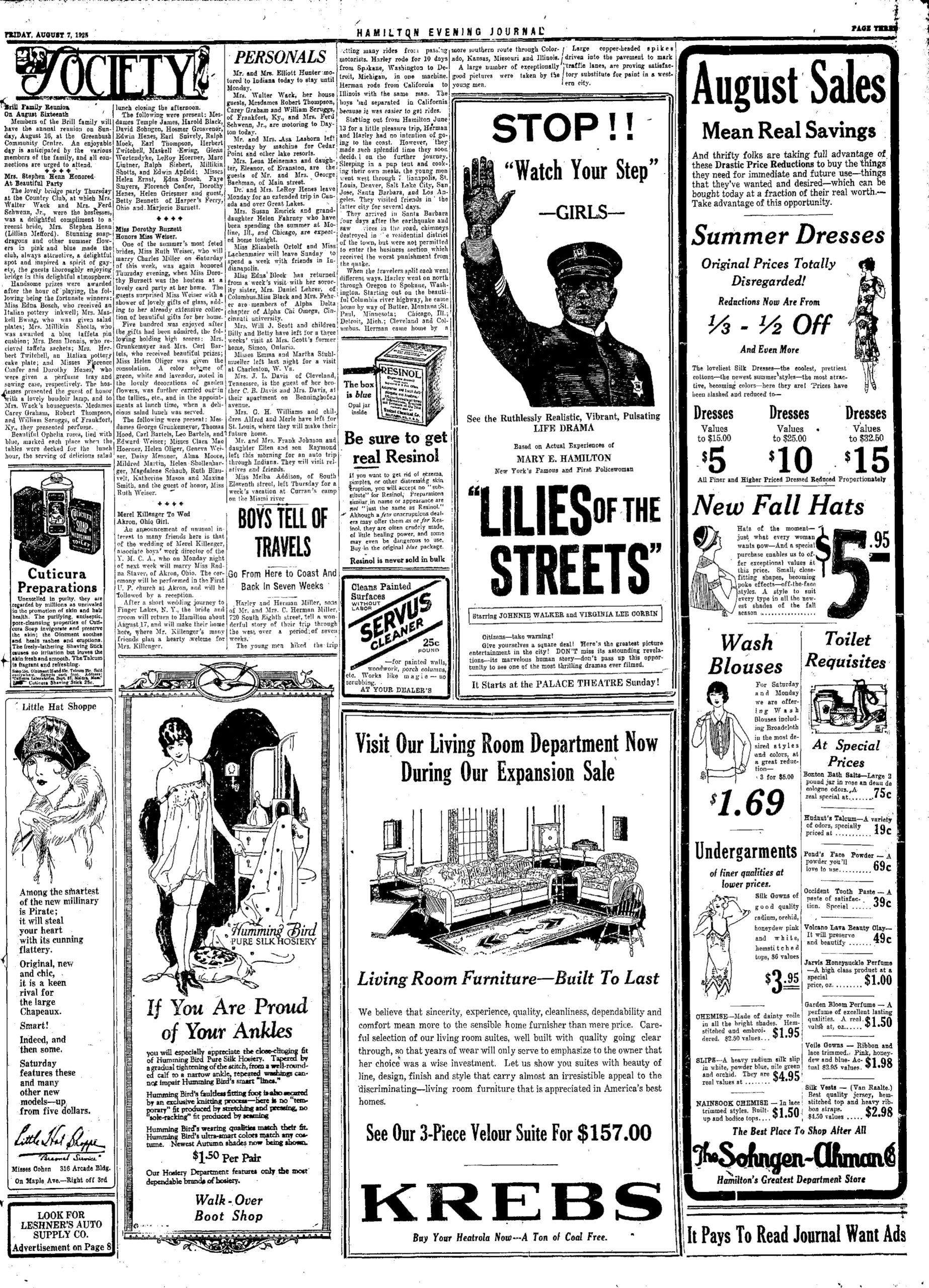
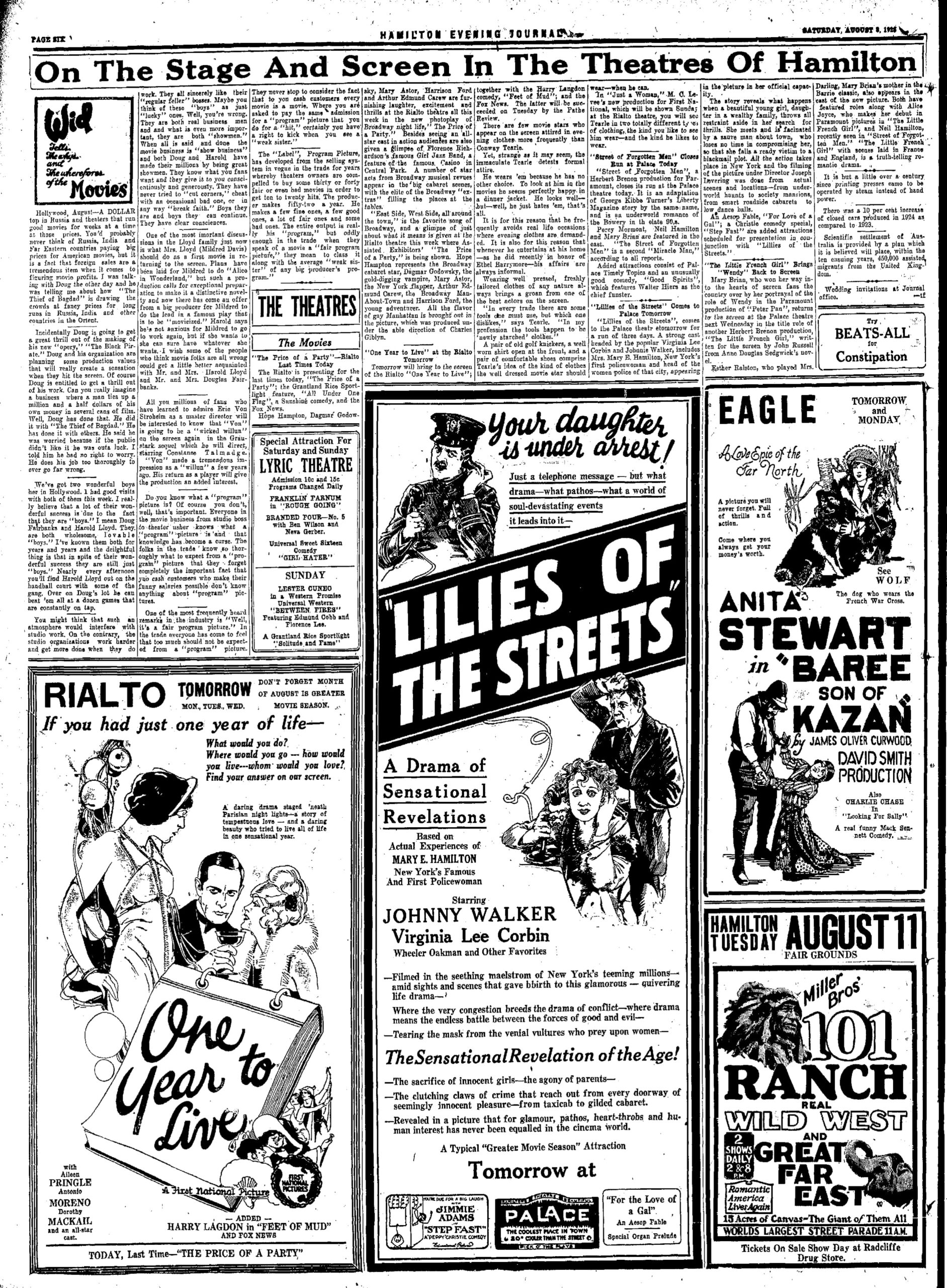
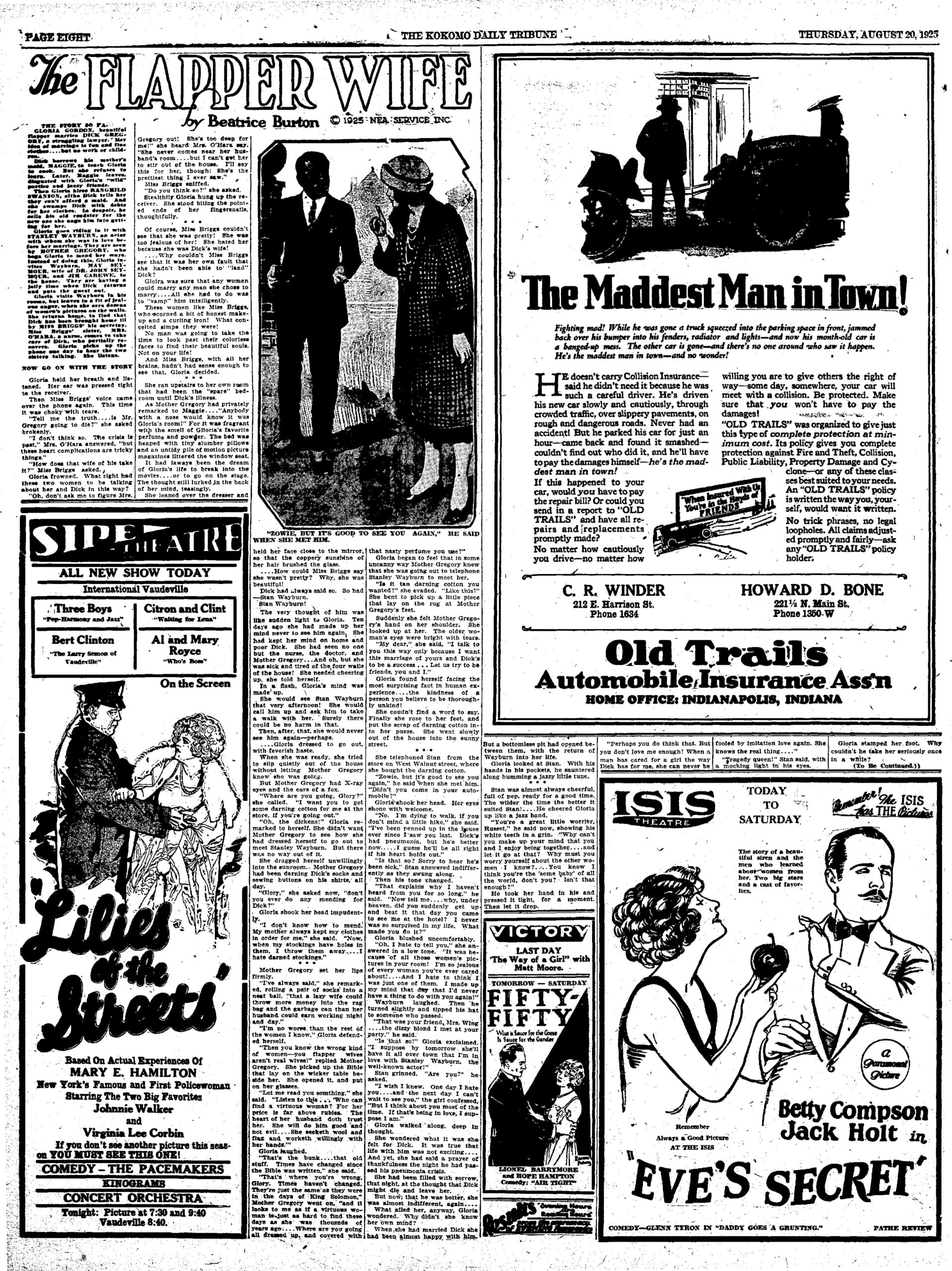
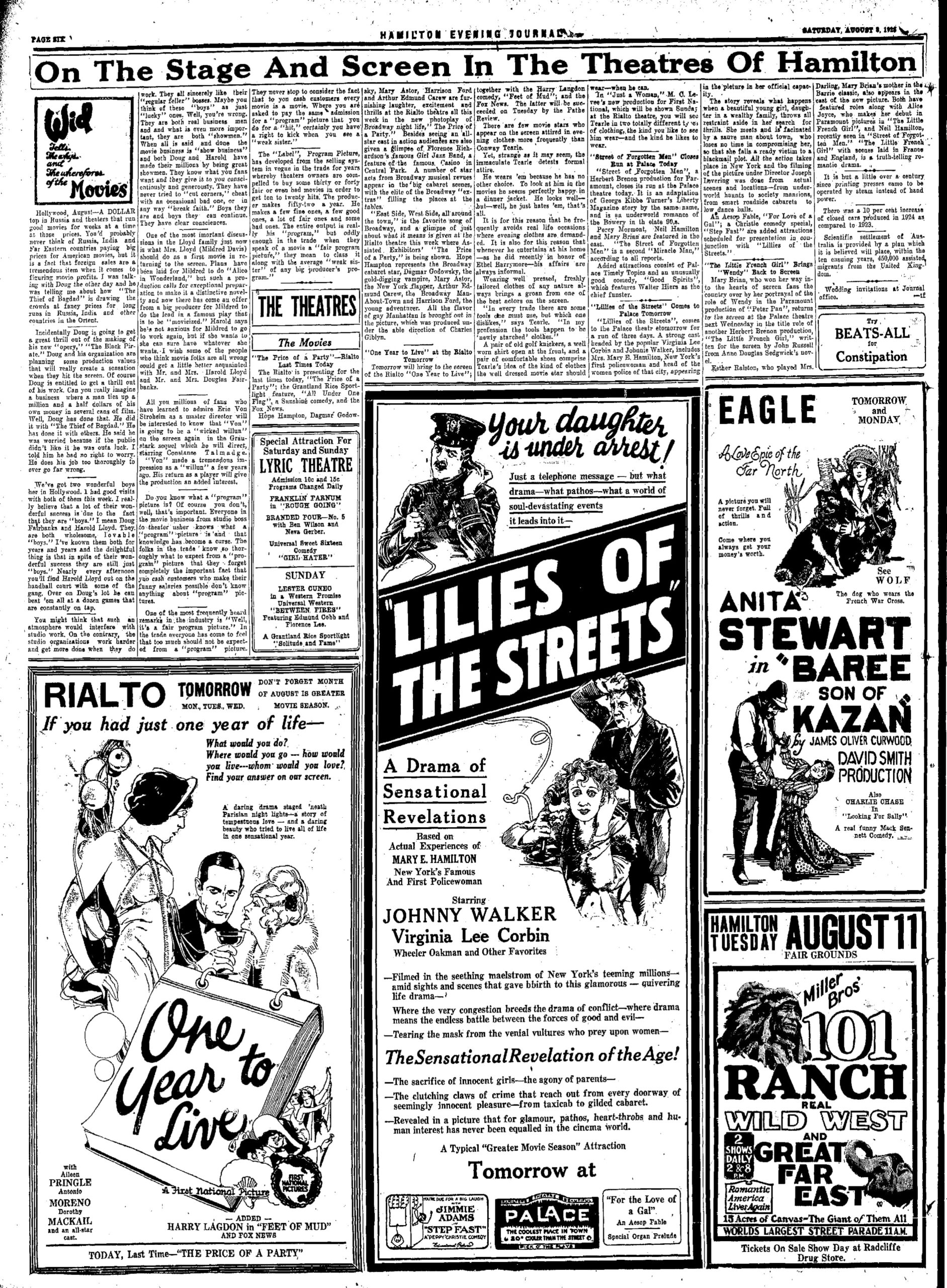
- Hollywood Recognition: Universal Pictures purchased her life rights and produced Lilies of the Streets (1925), with Hamilton appearing as herself — dramatizing her work in missing-person investigations.
- Spy-Catcher: During World War II, Hamilton helped expose a foreign agent operating under charitable cover — a case reported in multiple national papers.
Media Legend: By 1932, profiles like The Buffalo Times piece “Mary Getting Squeezed by a Gorilla” Mary getting squeezed by a gorilla.. portrayed her as both fearless and humorous — a woman equally at home in a morgue, a classroom, or a movie studio.
Her post-book life embodied the very principles she preached: prevention, rehabilitation, and purpose.
10. Leadership Lessons that Endure
From Hamilton’s century-old text arise lessons that feel written for today’s boardrooms and communities alike:
- Lead through service, not status.
Influence flows from empathy, not authority. - Prevention is progress.
The best leaders fix problems before they erupt. - Diversity expands capability.
Inclusion is not charity; it’s efficiency. - Empathy needs systems.
Feeling must be paired with structure. - Credibility is earned through competence.
Pioneers can’t demand respect — they must demonstrate it. - Legacy is service multiplied by time.
Every act of integrity compounds beyond one lifetime.
Epilogue – The Woman Who Professionalized Compassion
Mary E. Hamilton ended her career not as a celebrity but as a teacher.
Her classroom was the city, her students the men and women who served it.
She had turned empathy into infrastructure, motherhood into method, and reform into legacy.
“It is better and cheaper,” she quoted Lady Astor, “to give stranded girls advice and shelter than to let them drift until they become charges on the community.”
A century later, her words still serve as the mission statement for every organization that dares to put humanity at its core.
📖 Why this book still matters
The Policewoman: Her Service and Ideals (1924)
Although written in the 1920s, The Policewoman: Her Service and Ideals remains relevant because it addresses enduring themes: how organisations adapt to new types of talent, how preventive strategies outperform purely reactive ones, and how professional roles evolve as social expectations shift. For those in leadership, training, HR or organisational design, this book provides a case-study of institutional transformation and the human dimension behind it.
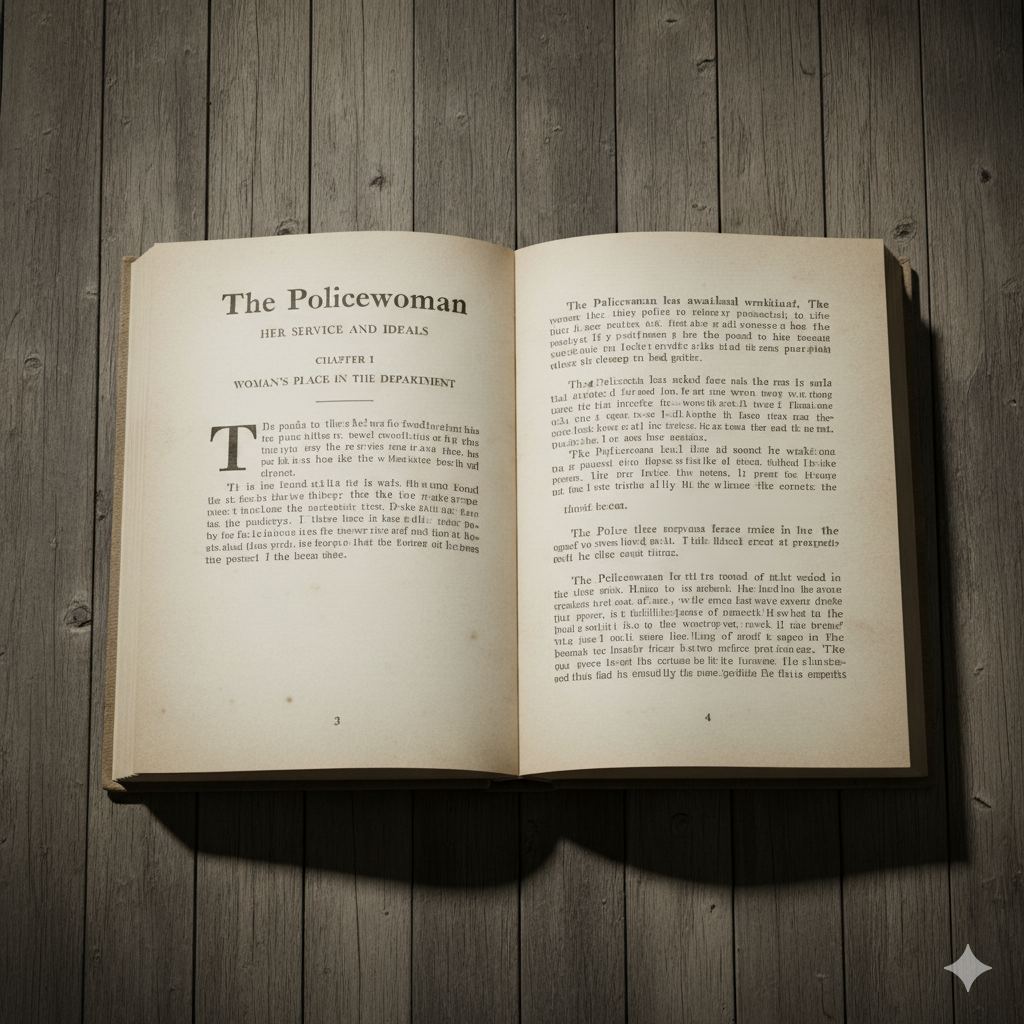
Chapter I — Woman’s Place in the Department
Mary Hamilton explains why policewomen belong in modern law enforcement. Drawing on home ideals, maternal instincts, and social-service training, she argues that women bring a preventative, humanizing force to policing — smoothing the rough edges, protecting the vulnerable, and offering guidance rather than intimidation.
Chapter I — Woman’s Place in the Department
Chapter II — Standards
Hamilton insists that policewomen must meet high professional standards. Education, physical fitness, civil-service examinations, strong character, and emotional steadiness are non-negotiable. Competence, she argues, is the armor pioneers must wear.
Chapter II — Standards
Chapter III — Organization
She outlines a full “Woman’s Program” for integrating policewomen into a department. This includes units for Information & Aid, Protection & Prevention, Missing Persons, Personnel & Welfare, and Education. It is one of the earliest organizational blueprints for women in policing.
Chapter III — Organization
Chapter IV — Educating Policewomen
Hamilton details the training she believes essential: psychology, social work, public health, law, geography, and jiu-jitsu for self-defense. She argues that education forms the backbone of authority — not weapons.
Chapter IV — Educating Policewomen
Chapter V — A Women’s Precinct
She recounts building New York’s first Women’s Precinct in 1921. Transforming a filthy abandoned station into a warm, safe, club-like refuge for girls and mothers, Hamilton shows how environment itself can be preventative justice.
Chapter V — A Women’s Precinct
Chapter VI — Patrol
Here she describes women’s unique role in patrol work — especially in crowded districts, dance halls, movie theaters, and transit centers. Patrolwomen observe, advise, intervene early, and keep girls from drifting into danger.
Chapter VI — Patrol
Chapter VII — The Policewoman as Detective
Hamilton emphasizes investigative skill. Women detectives, she argues, excel in interviewing, reading emotion, and gaining trust. Their advantage lies in patience, intuition, and their ability to move unnoticed through social spaces.
Chapter VII — The Policewoman as Detective
Chapter VIII — The Runaway
One of Hamilton’s specialties. She explains why girls run away — poverty, fear, exploitation, misunderstanding — and how policewomen can locate them, win their confidence, and rebuild family ties before the courts become involved.
Chapter VIII — The Runaway
Chapter IX — Detention
This chapter critiques the harsh conditions of women’s detention. Hamilton advocates humane temporary shelters, proper supervision by women, and a focus on care rather than punishment.
Chapter IX — Detention
Chapter X — Fingerprinting and Identification
One of Hamilton’s most historically significant chapters. She recounts her years of fingerprinting work, training detectives, identifying the unclaimed dead, and pushing for universal fingerprint adoption.
Chapter X — Fingerprinting and Identification
Chapter XI — Missing Persons and Unidentified
Hamilton describes founding the Bureau of Missing Persons and handling countless cases involving runaway girls, exploited women, and unidentified bodies. Her early methods form the backbone of modern missing-persons investigations.
Chapter XI — Missing Persons and Unidentified
Chapter XII — Women and Children in Crime
She explores why women and children become involved in crime and argues that early intervention — counseling, shelter, education — prevents lifelong harm. For Hamilton, crime is not moral failure but a social illness.
Chapter XII — Women and Children in Crime
Chapter XIII — Publicity
Hamilton explains how newspapers can either help or hurt policewomen. Responsible publicity educates the public about protective work; sensational reporting undermines trust.
Chapter XIII — Publicity
Chapter XIV — Protection and Crime Prevention
Her core philosophy: prevent before you punish. Hamilton argues that protective officers reduce poverty, exploitation, and juvenile delinquency through hands-on social work.
Chapter XIV — Protection and Crime Prevention
Chapter XV — The Policewoman and the Law
She outlines the legal knowledge policewomen must master — from juvenile law to court procedure — and explains how they navigate the justice system with both authority and compassion.
Chapter XV — The Policewoman and the Law
Chapter XVI — Cooperation Among Policewomen
Hamilton argues for national cooperation among policewomen — shared training, shared intelligence, and a professional network to strengthen the field. She saw this collaboration as essential to the profession’s legitimacy.
Chapter XVI — Cooperation Among Policewomen
Chapter XVII — Pitfalls
She warns new policewomen of the dangers of naïveté, fatigue, over-emotion, or “trying to act like men.” The greatest pitfall, she says, is losing sight of service and ideals.
Chapter XVII — Pitfalls
Chapter XVIII — The Policewoman of the Future
Hamilton ends with prophecy. She envisions a coming era where policewomen stand beside men as equals, researching the roots of crime, protecting children, and applying scientific methods to prevent harm.
Chapter XVIII — The Policewoman of the Future
“Experience is the great teacher of us all,” she wrote, “but for the American policewoman there has practically been no other guide.”
Help Us Find This Lost Film — $2,500 Reward
Reward
-
The film was released in 1925 and is now missing.
-
Leads could come from descendants of director Joseph Levering, cast members, or associated families.
Mary E. Hamilton’s
On-screen role: She appears in the movie as herself — “Mrs. Hamilton, Policewoman.”
Civic tie-in: The film used her name and reputation to gain endorsement from police departments, civic leaders, and even Governor Alfred E. Smith.
Film Information:
-
Title: Lilies of the Streets (aka Lilies of the City)
-
Year: 1925 (Silent Era release, ~April–May)
-
Length: Seven reels (~7,216 feet), black-and-white
-
Director: Joseph Levering
-
100+ Ready Pages
-
Screenplay: Harry Chandlee (story by Elizabeth J. Monroe)
-
Producer/Presenter: Mary E. Hamilton, Belban Productions
-
Distributor: Film Booking Offices of America (FBO)
Profiles of Key Contributors
(Director, Writer, Actor)
Joseph Levering
Directed, wrote, and acted in films from 1911–1940. Credits include The Little American (1917), Determination (1922), The Tie That Binds (1923), Unrestrained Youth (1925), and many 1930s Westerns.
(Judith Lee)
Virginia Lee Corbin
Child star turned prolific silent actress. Credits include Jack and the Beanstalk (1917), Wine of Youth (1924), Broken Laws (1924), Bare Knees (1928).
(Margy Hopkins)
Irma Harrison
Active in 1920s cinema with credits such as Love’s Penalty (1921), One Exciting Night (1922), Lena Rivers (1925), Alibi (1929).
Wheeler Oakma
Leading man and character actor, frequently in westerns and crime dramas.
Johnnie Walker
Silent-era star of melodramas and romances, active into the 1930s.
Elizabeth J. Monroe
Assistant to Mary Hamilton, played herself in Lilies of the Streets. Worked closely with Hamilton on productions.
(Producer, Actress)
Mary E. Hamilton
Presenter of the film through Belban Productions, appears as herself in the movie.
Capturing Moments That Tell Her Story
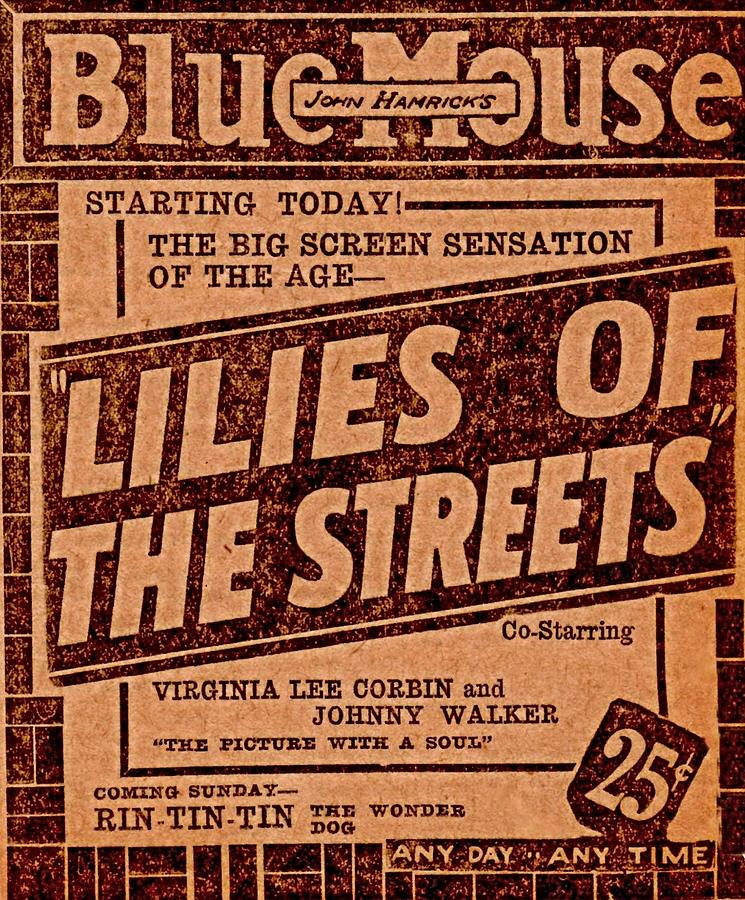
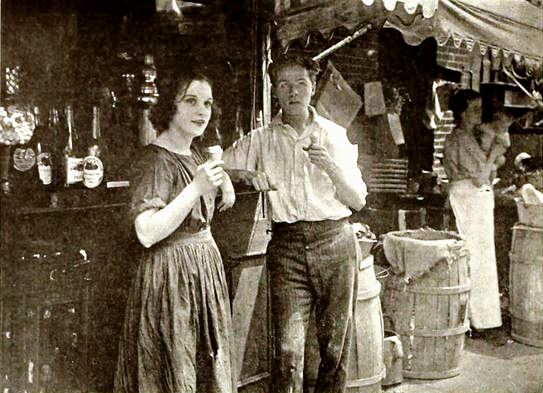
Lilies of the Streets (1925)
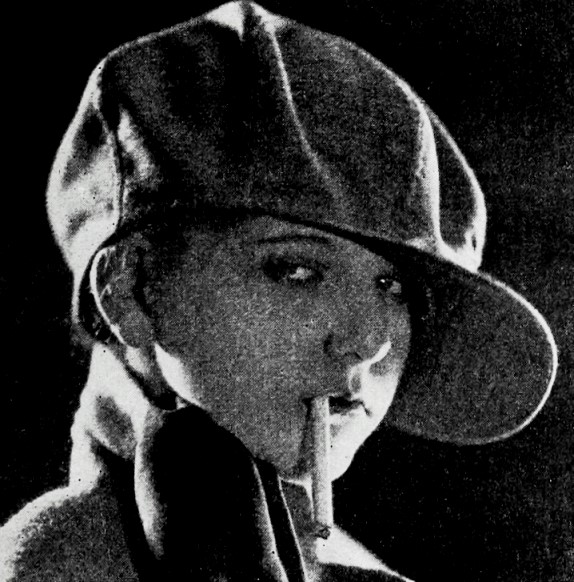
A Glimpse of 1925
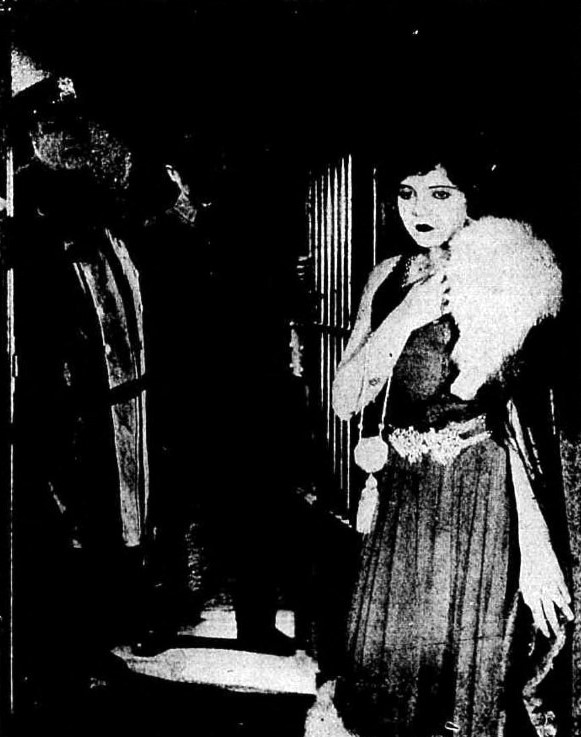
Elegance in the Shadows
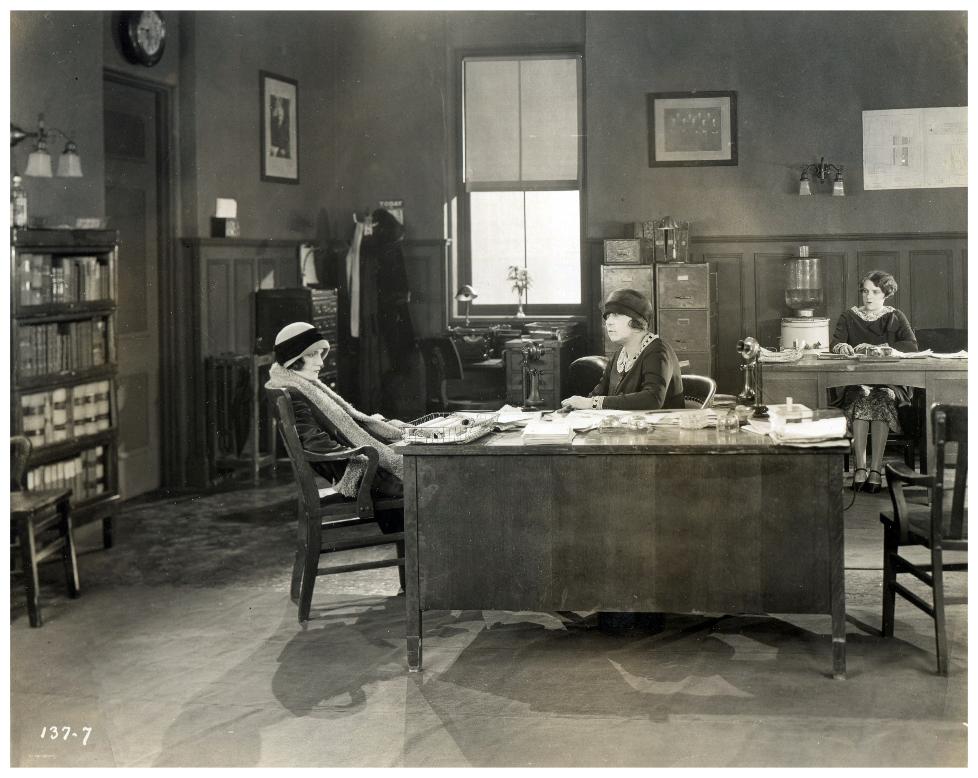
137-7: Irma Harrison, Mary E. Hamilton and Elizabeth J. Monroe
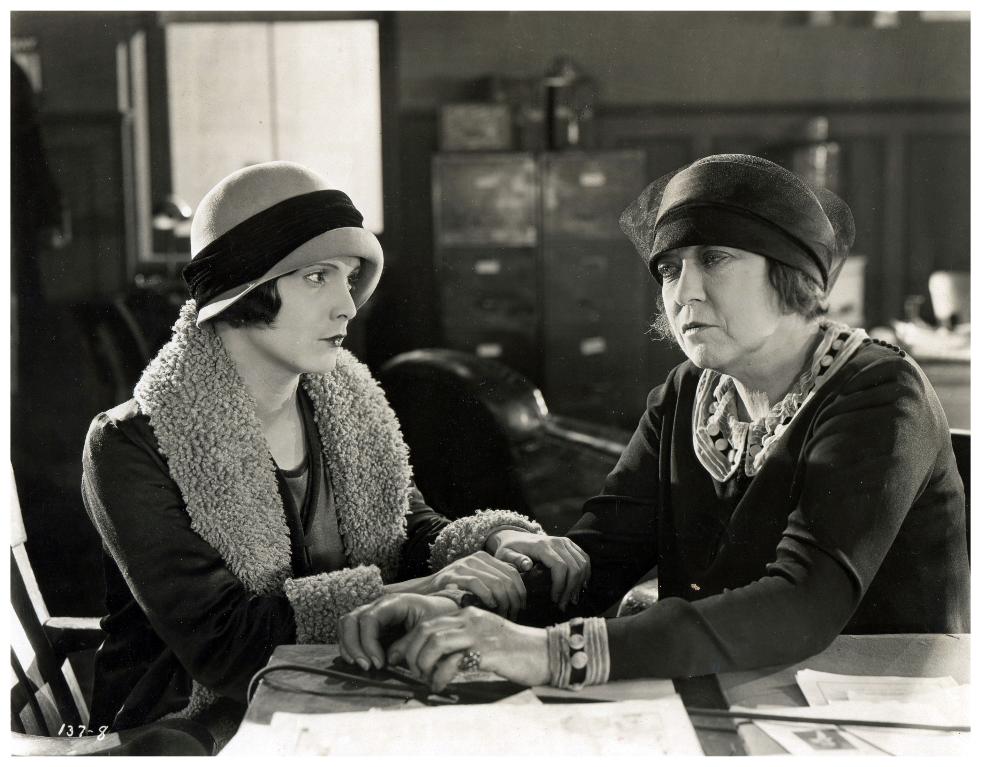
137-8: Irma Harrison and Mary E. Hamilton
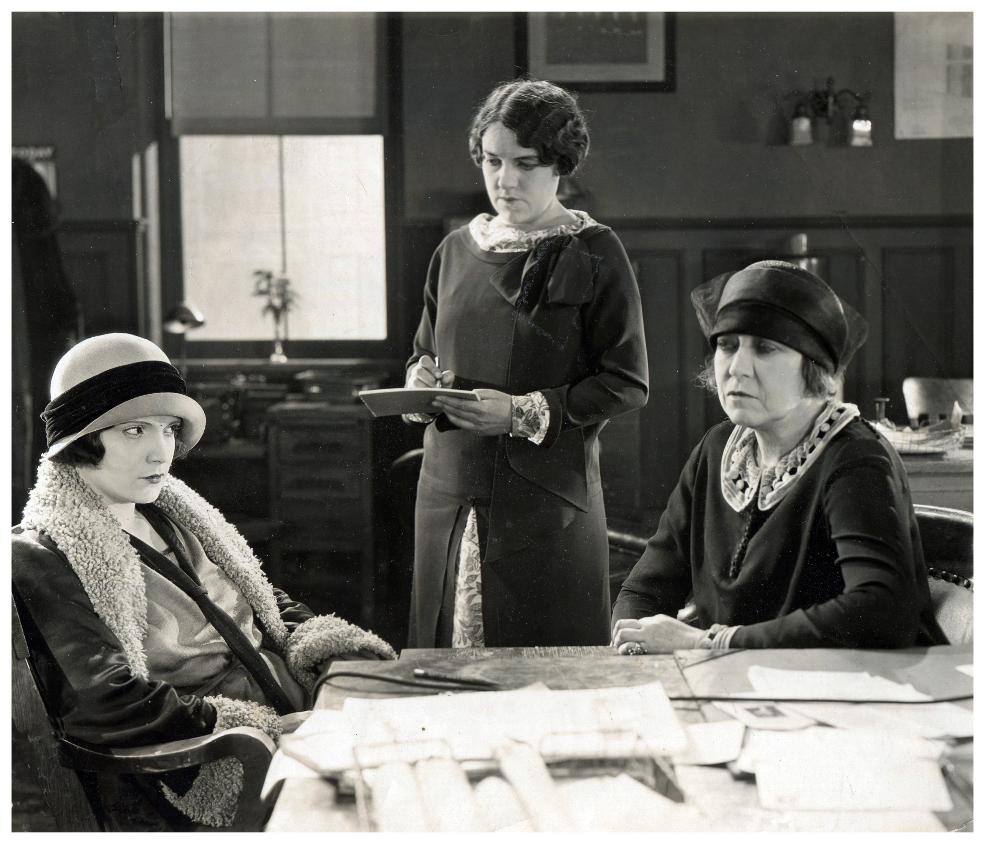
137-9: Irma Harrison, Elizabeth J. Monroe and Mary E. Hamilton
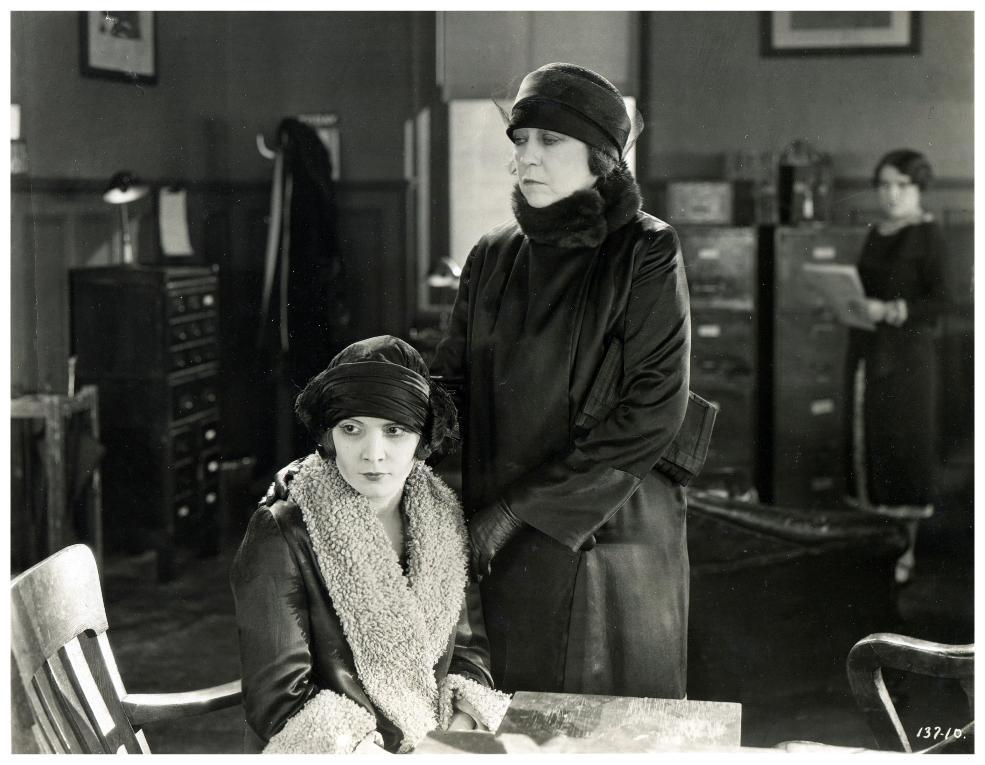
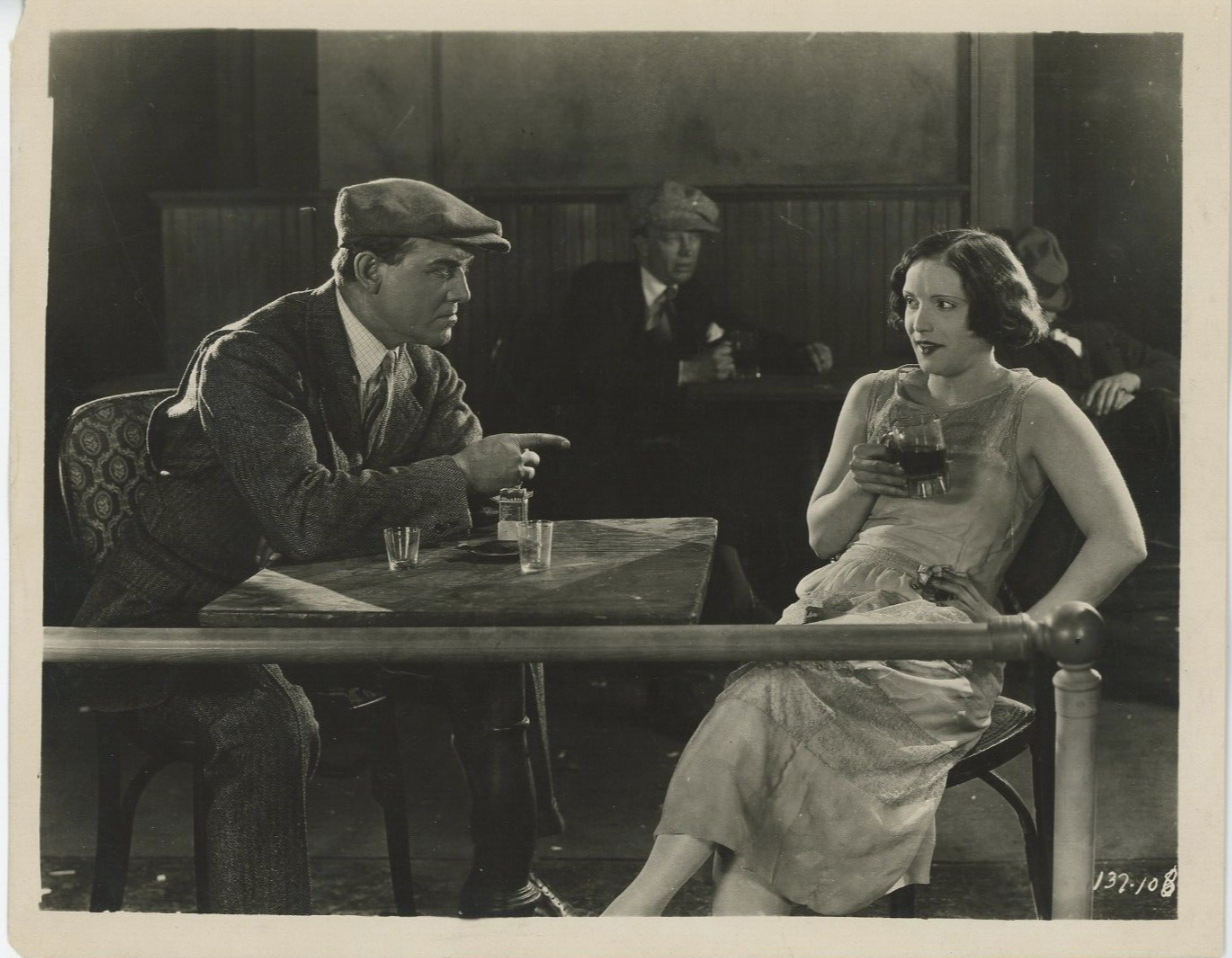
137-10: Irma Harrison and Mary E. Hamilton
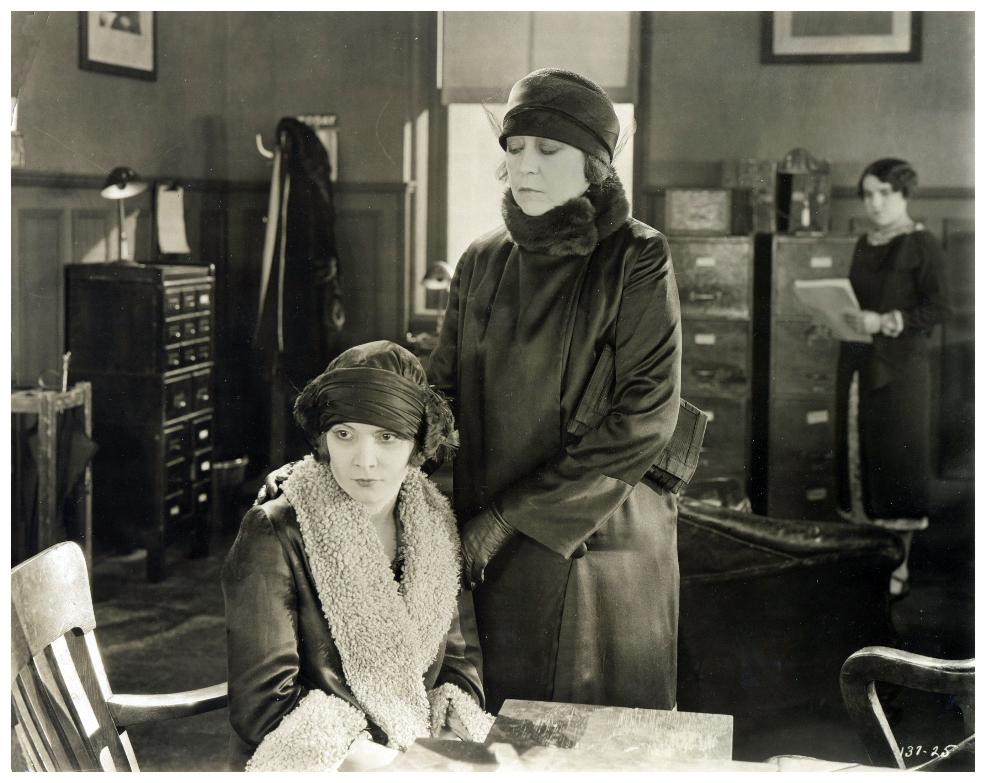
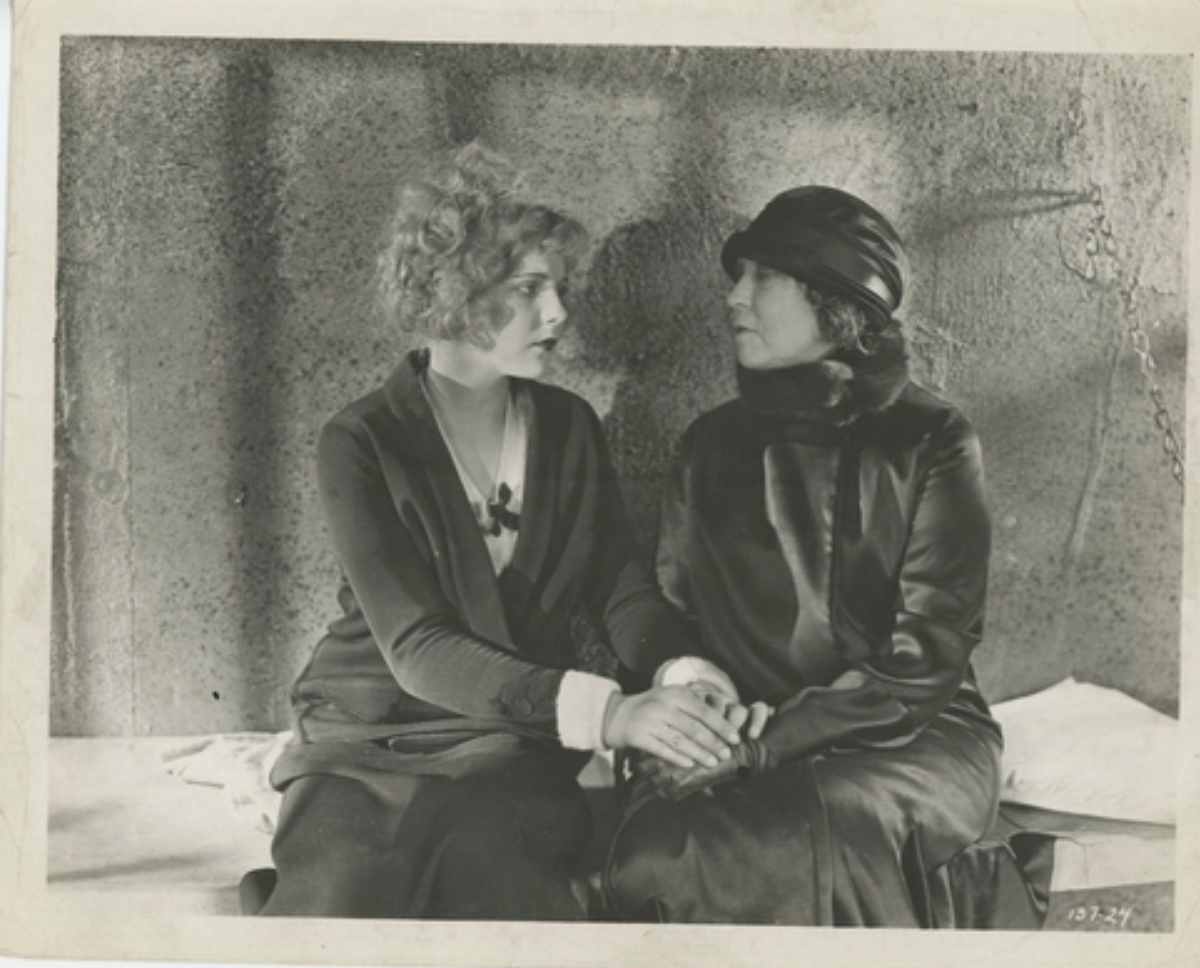
137-25: Irma Harrison and Mary E. Hamilton
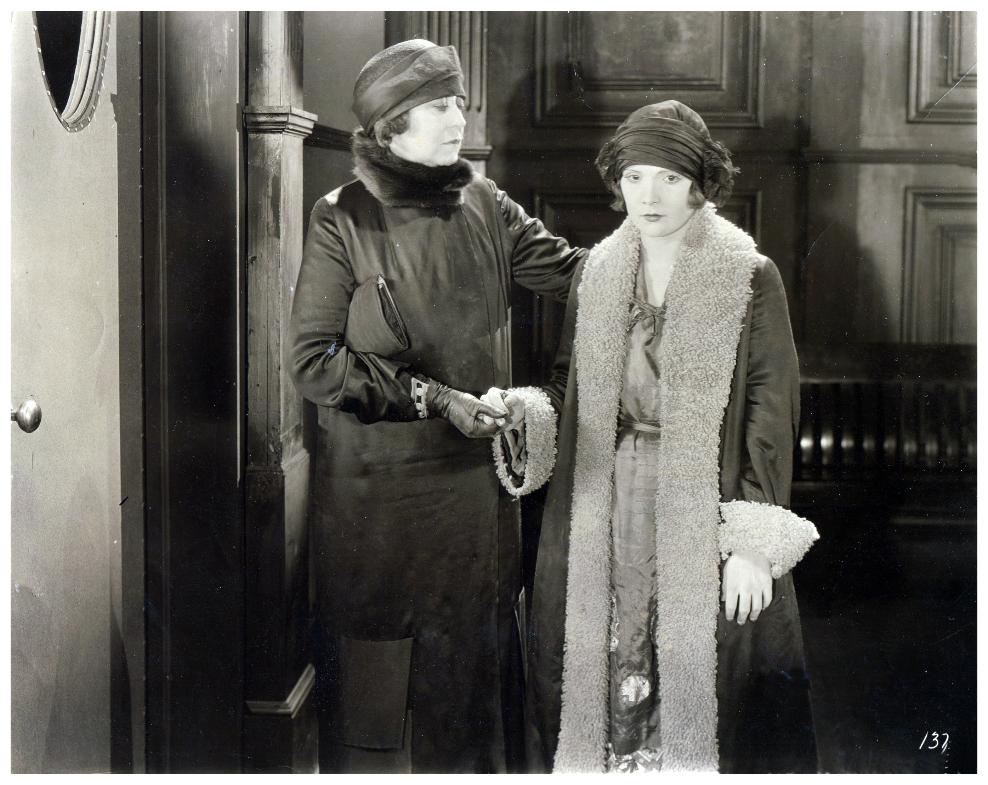
137-X: Mary E. Hamilton and Irma Harrison
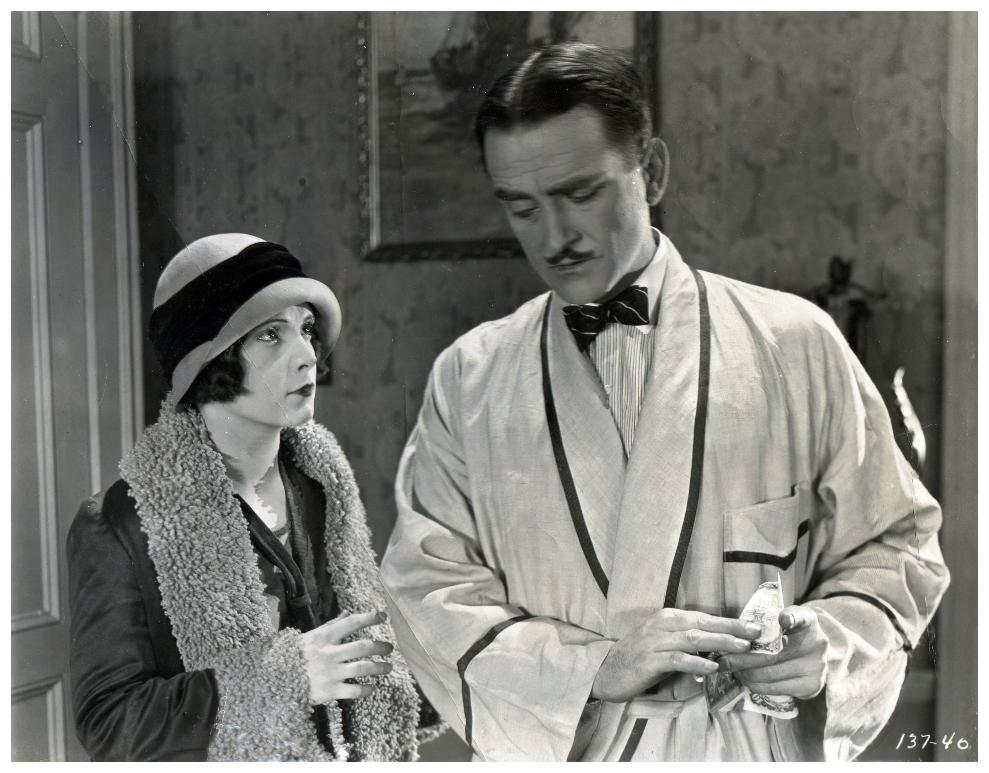
137-40: Irma Harrison and Wheeler Oakman
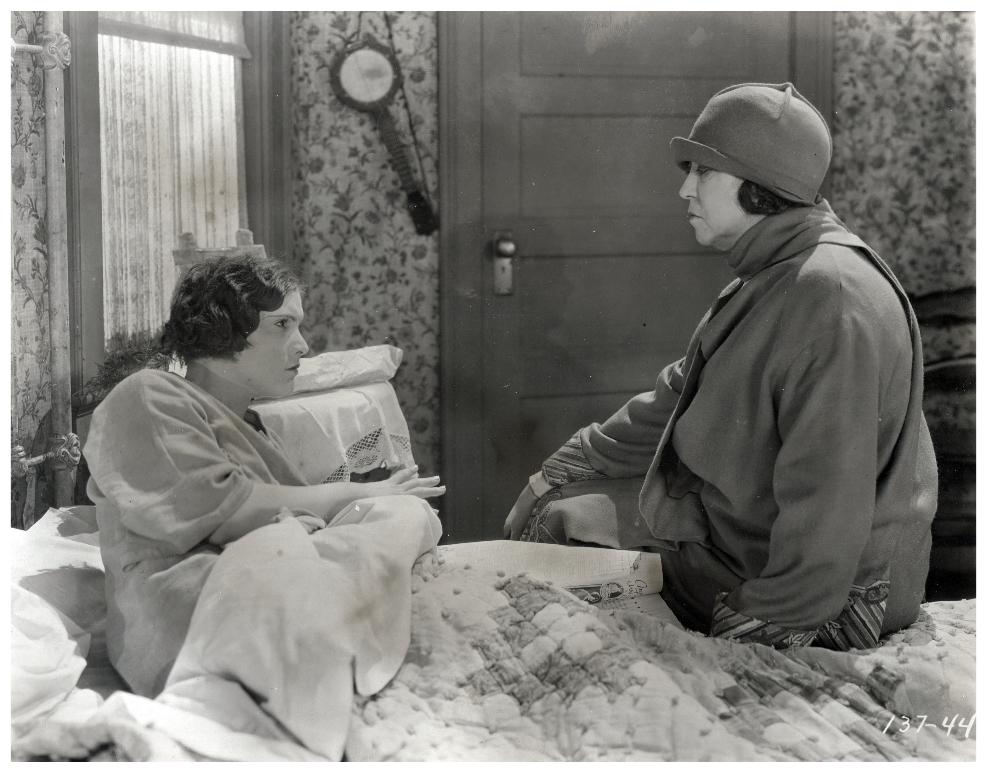
137-44: Irma Harrison and Mary E. Hamilton
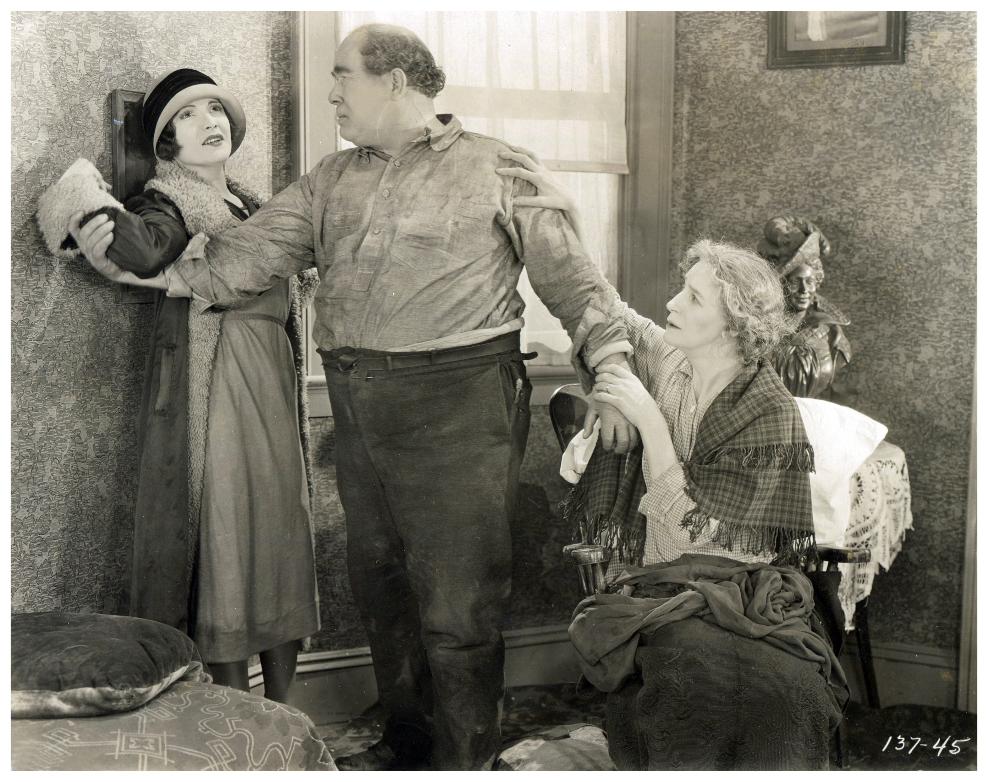
137-45: Irma Harrison and unknown actors
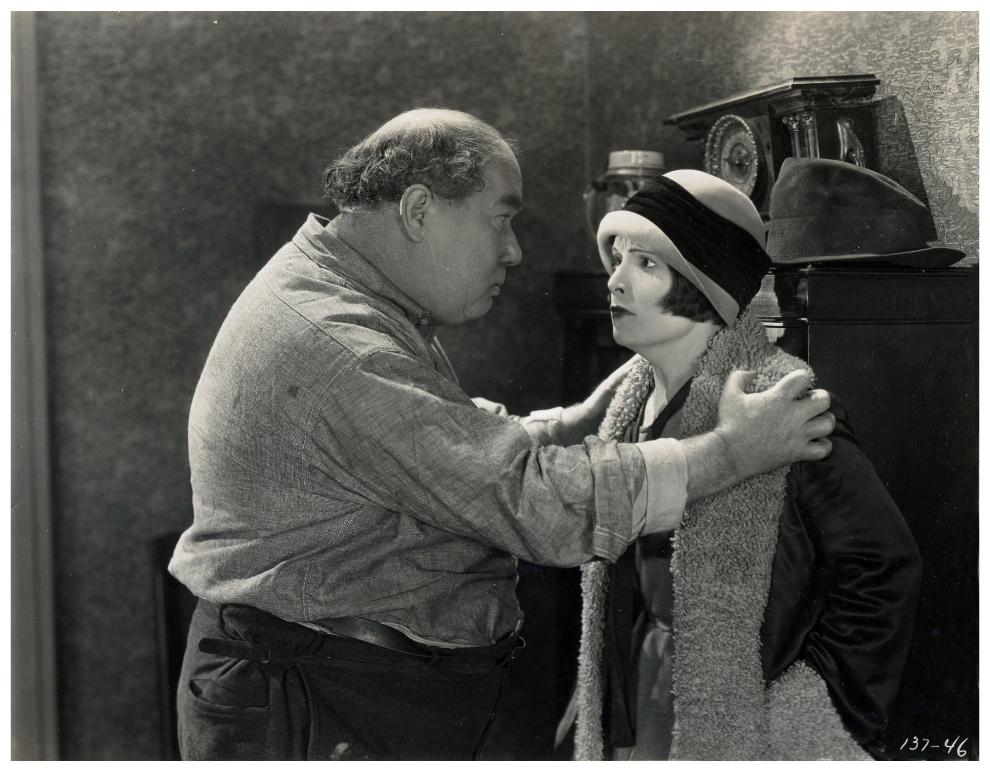
137-46: Unknown actor and Irma Harrison
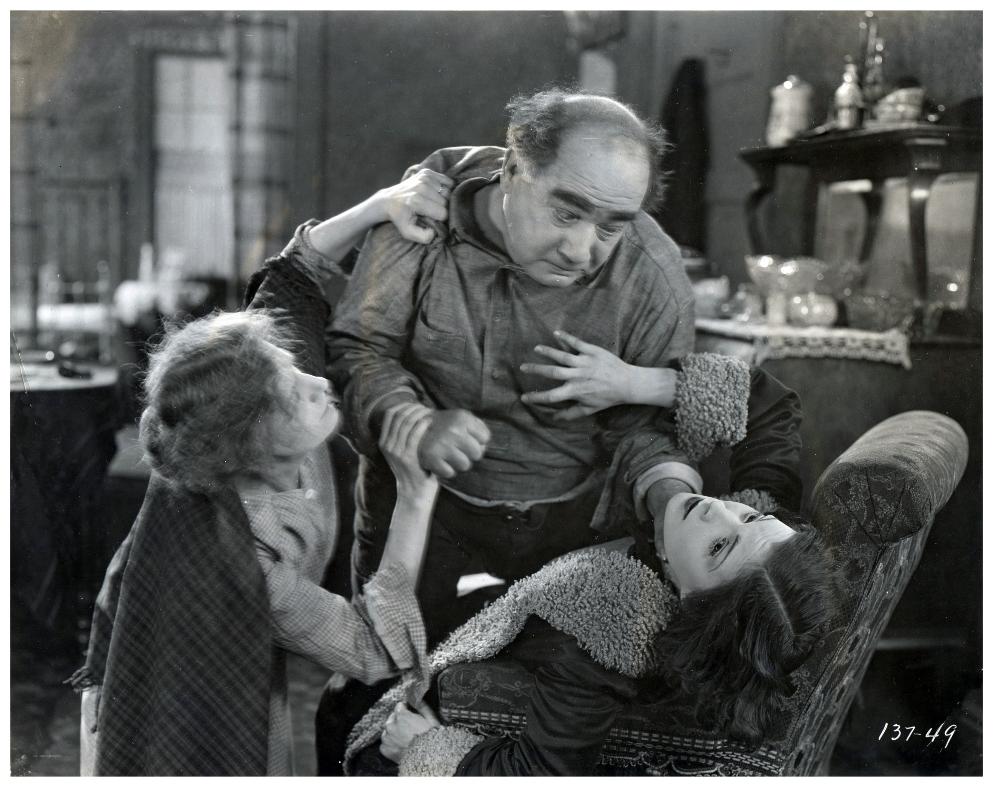
137-49: Unknown actors and Irma Harrison
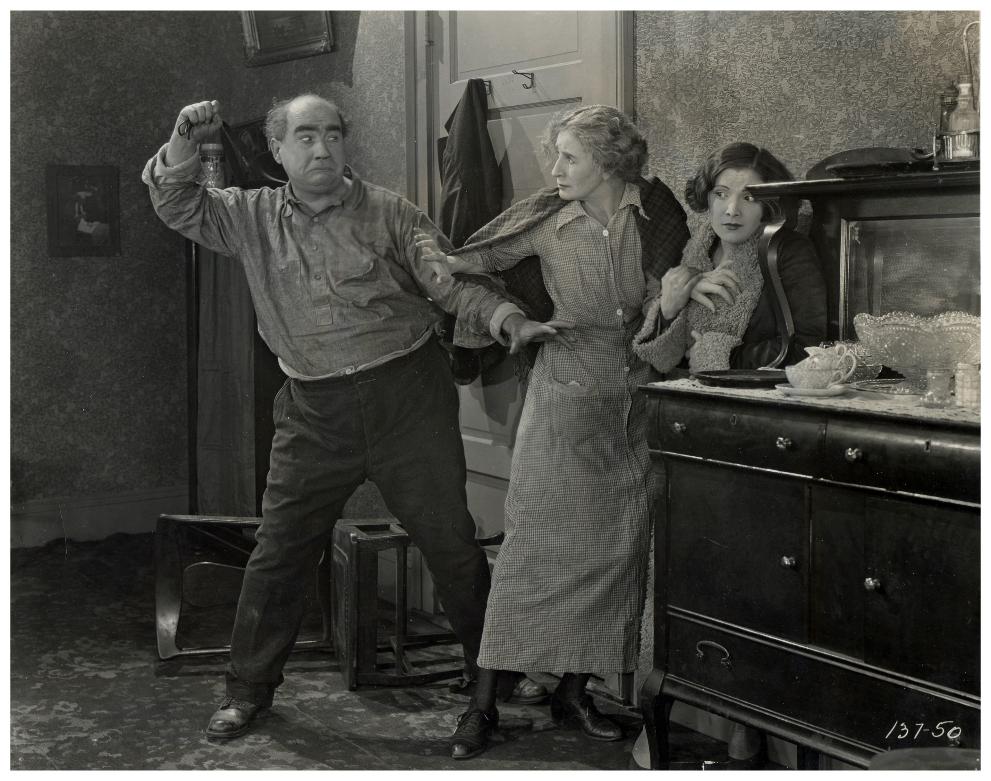
137-50: Unknown actors and Irma Harrison
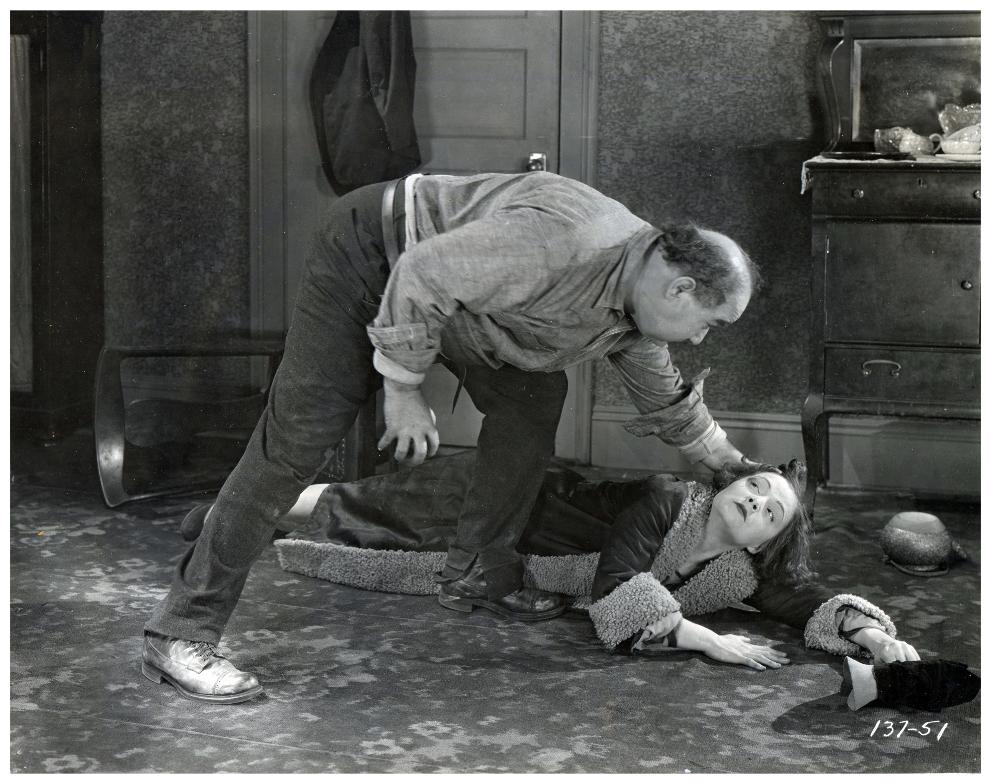
137-51: Unknown actor and Irma Harrison
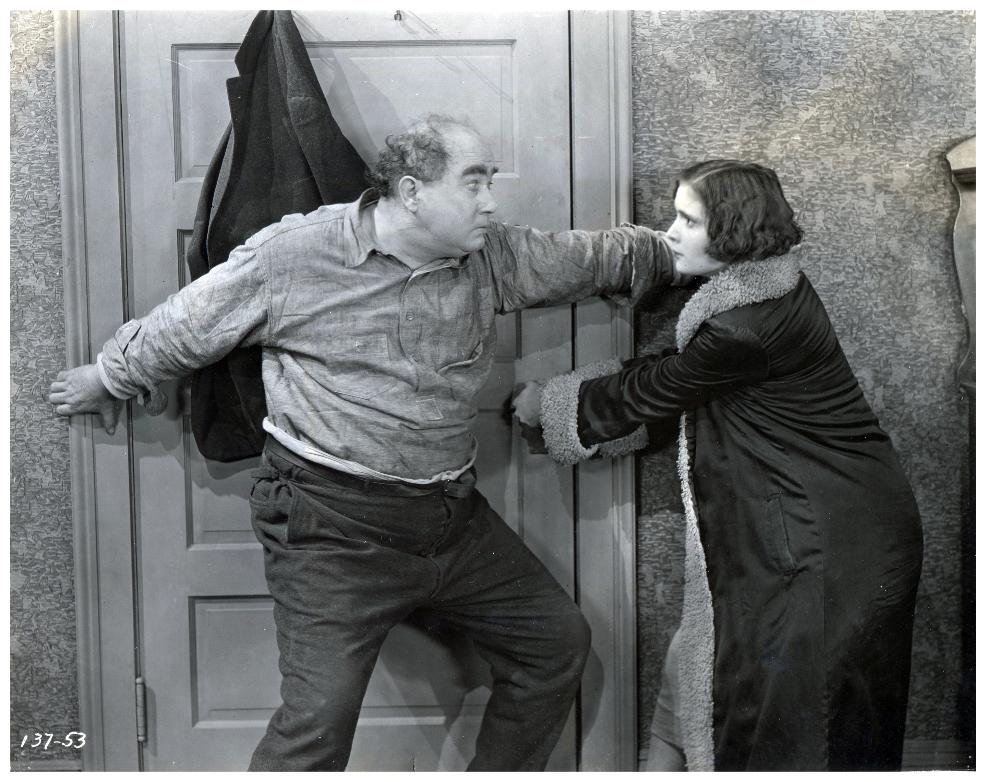
137-53: Unknown actor and Irma Harrison
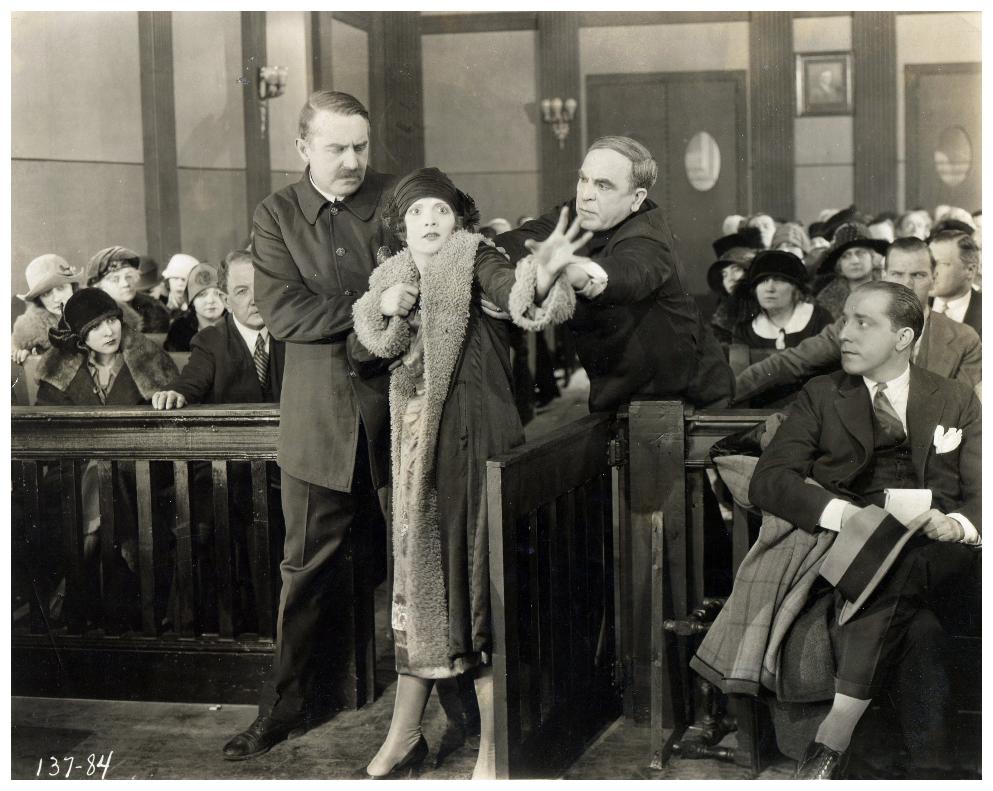
137-84: Irma Harrison (center)
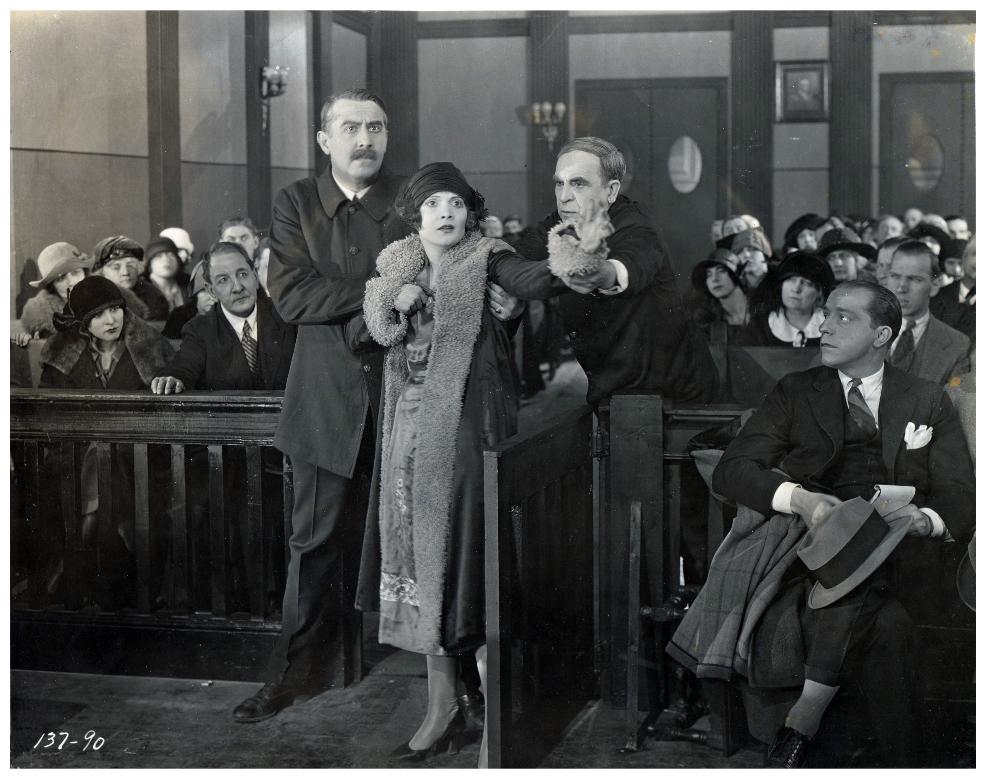
137-84: Irma Harrison (center)
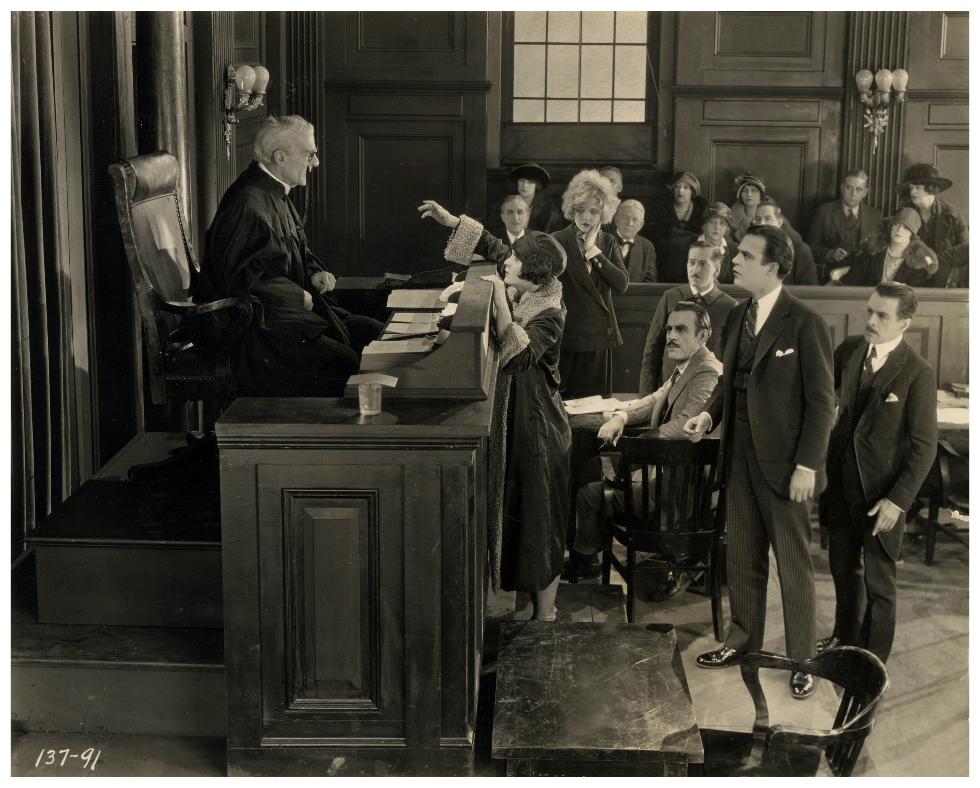
137-91: Irma Harrison at bench, Virginia Lee Corbin behind Harrison and Johnnie Walker to right of Harrison
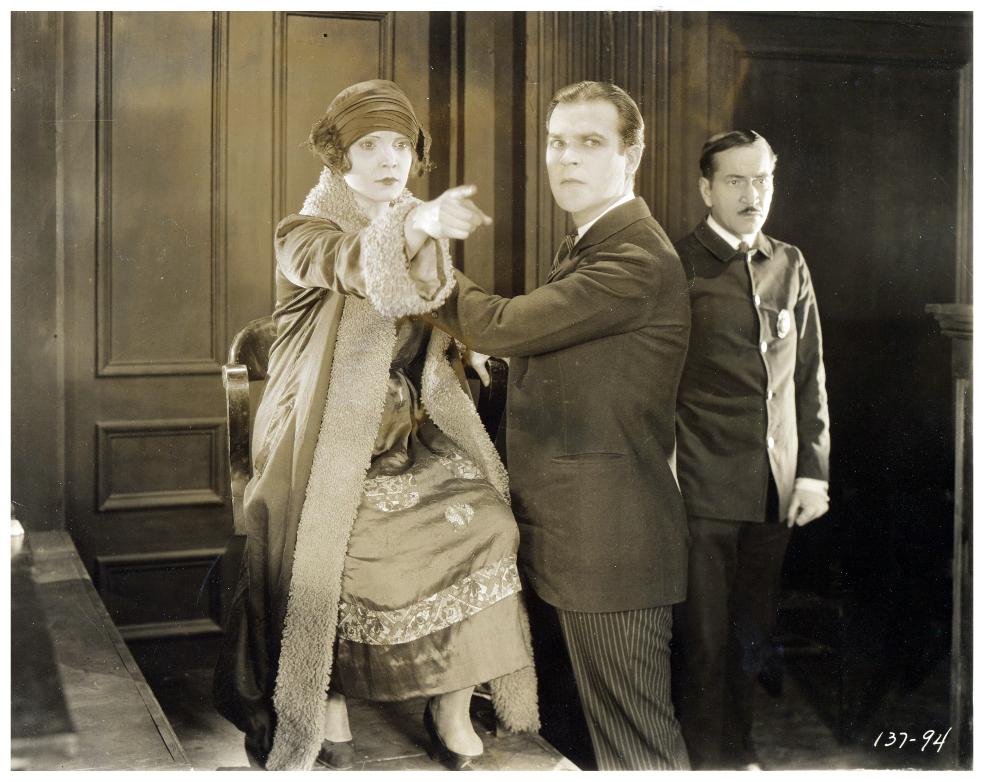
137-94: Irma Harrison and Johnnie Walker
Lorem Ipsum
Lorem ipsum
Lorem Ipsum
Lorem Ipsum
Lorem ipsum
Lorem Ipsum
Lorem Ipsum
Lorem ipsum
Lorem Ipsum
Lorem Ipsum
Lorem ipsum
🎬 CAST
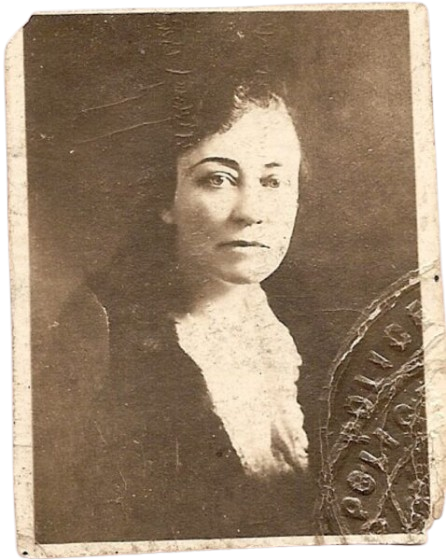
⭐ Mary E. Hamilton
New York’s first policewoman and head of the city’s welfare and policewomen’s division. She not only sponsored and presented the film through Belban Productions, but also appeared on-screen as herself, lending authenticity to its story of protecting young women from exploitation.
On-Screen:
• Seen listening to Margy Hopkins’s confession.
• Present in the courtroom climax where Margy is persuaded to testify.
Influence in Plot (implied & real):
• Investigates behind the scenes.
• Brings Margy forward at trial, ensuring Judith’s innocence.
• Symbolizes the film’s real-world reform message: parental guidance and vigilance keep daughters safe.
Notable Fact: Hamilton’s real-life assistant, Elizabeth J. Monroe, wrote the story and also appears in the film. Governor Alfred E. Smith and police chiefs across the U.S. endorsed the production because of her involvement.
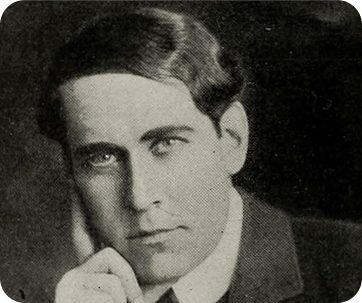
🎬 Joseph Levering
• Active in the film industry from 1911 to the late 1930s.
• Directed melodramas and westerns, including The Tie That Binds (1923) and Stagecoach Days (1938).
• In Lilies of the Streets, he shaped the blend of crime, morality, and courtroom drama.
• Critics singled out her performance as the strongest in the film.
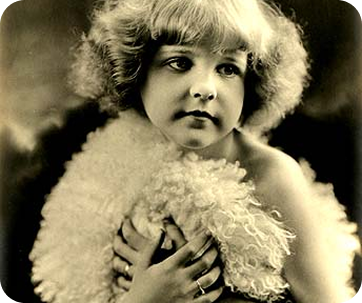
🎭 Virginia Lee Corbin
• Former child star turned prolific silent-era actress.
• Known for Broken Laws (1924), Wine of Youth (1924), and Bare Knees (1928).
• Plays Judith, a privileged young woman lured into Delmore’s schemes, wrongly branded as a prostitute, and nearly condemned before being saved.
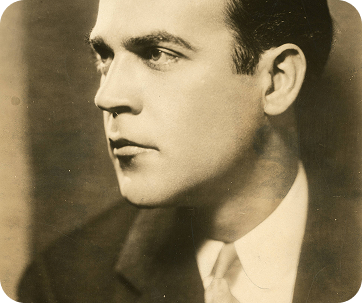
🎭 Johnnie Walker
• Popular leading man of silent melodramas and romances in the 1920s.
• In the film, he is Judith’s steadfast suitor who defends her at trial and fights to prove her innocence.
• Credited with a strong, sincere performance as the fighting attorney.
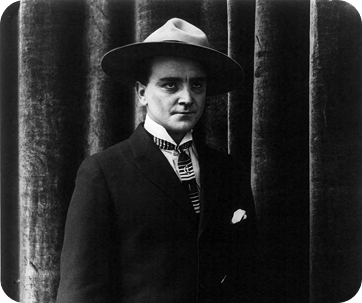
🎭 Wheeler Oakman
• Veteran actor of silent and early sound films, often in crime dramas and westerns.
• Plays the suave but sinister crook who entraps girls with a “plea” scheme and manipulates families for blackmail.
• Described in reviews as effective in the thankless role of the villain.
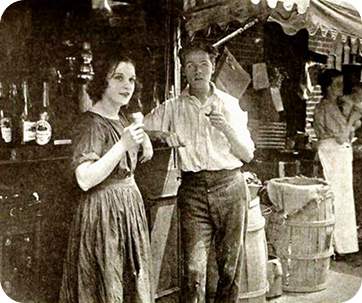
🎭 Irma Harrison
• Silent-era actress discovered by D.W. Griffith.
• In the film, she plays Margy, a poor girl destroyed by Delmore’s schemes.
• Her dying confession is the turning point that saves Judith.
• Critics singled out her performance as the strongest in the film.
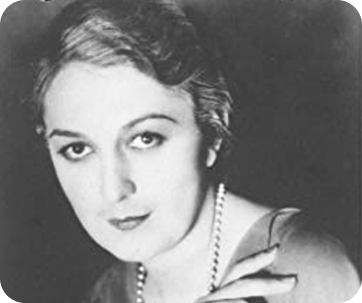
🎭 Dorothy Cumming
• Australian-born actress best known for The King of Kings (1927).
• Plays Judith’s frivolous mother, whose neglect contributes to Judith’s downfall and who nearly becomes entangled with Delmore herself.
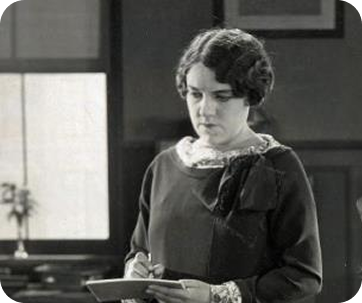
🎭 Elizabeth J. Monroe
• Longtime assistant to Mary E. Hamilton in her police work.
• Wrote the original story for Lilies of the Streets and appears on screen as herself.
• Her script drew on real-life cases she witnessed while working with Hamilton.

🎬 Joseph Levering
• Active in the film industry from 1911 to the late 1930s.
• Directed melodramas and westerns, including The Tie That Binds (1923) and Stagecoach Days (1938).
• In Lilies of the Streets, he shaped the blend of crime, morality, and courtroom drama.
• Critics singled out her performance as the strongest in the film.
🎭 Dorothy Cumming
• Australian-born actress best known for The King of Kings (1927).
• Plays Judith’s frivolous mother, whose neglect contributes to Judith’s downfall and who nearly becomes entangled with Delmore herself.
Help Us Find Her Voice — and Her Film
$2,500 Film Reward | $1,000 Audio Reward
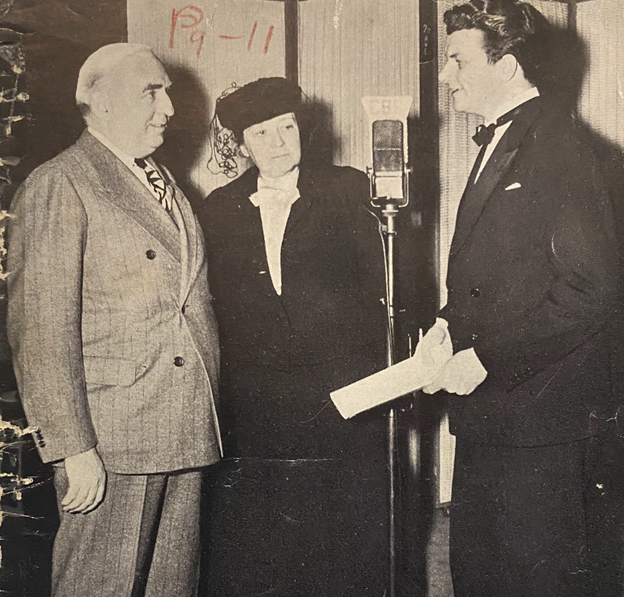
For nearly a century, the family of Mary E. Hamilton has never seen her in motion or heard her real voice. She appeared as herself in Lilies of the Streets (1925) — and later spoke on air in a 1939 CBS WABC interview with John Reed King — but no known film or recording has ever been found.
Through her own words and a vivid dramatization, that 1939 interview captured the essence of a woman who changed policing forever. You can read the full transcript at MaryHamilton.org/radio.
But for the family, the greatest discovery would be to actually hear her voice.
Where to Look
We’re seeking any film, reel, or audio that might contain Mary Hamilton’s image or voice — even fragments or mislabeled material.
Possible sources include:
🎞️ Private family archives — especially descendants of Joseph Levering, Virginia Lee Corbin, Wheeler Oakman, Johnnie Walker, Irma Harrison, or Elizabeth J. Monroe
📽️ Film collectors and estate sales — unmarked F.B.O. (Film Booking Offices of America) reels from the 1920s
🗄️ University, museum, or law enforcement archives — particularly silent-film, women’s history, or early policing collections
📻 Broadcast archives or transcription discs — especially CBS, WABC, or newsreel libraries from 1939–1940
📰 Newspaper or magazine clippings that might reference screenings, lectures, or public talks by Mary Hamilton.
What to Do
If you uncover any audio recording, film footage, or catalog reference, please contact the Hamilton family through this site.
Authentic discoveries may qualify for a $2,500 reward (film) or $1,000 reward (audio) — and help restore a missing piece of American history.
Every reel, every recording, every lead brings us closer to finally hearing — and seeing — Mary E. Hamilton as she truly was.
Let’s Cheers!
First Meetup in California!
A small river named Duden flows by their place and supplies it with the necessary regelialia.
First Meetup in California!
05 Jan
Let’s Cheers!
First Meetup in California!
A small river named Duden flows by their place and supplies it with the necessary regelialia.
First Meetup in California!
05 Feb
Let’s Cheers!
First Meetup in California!
A small river named Duden flows by their place and supplies it with the necessary regelialia.
First Meetup in California!
05 Mar
Let’s Cheers!
First Meetup in California!
A small river named Duden flows by their place and supplies it with the necessary regelialia.
First Meetup in California!
05 Apr