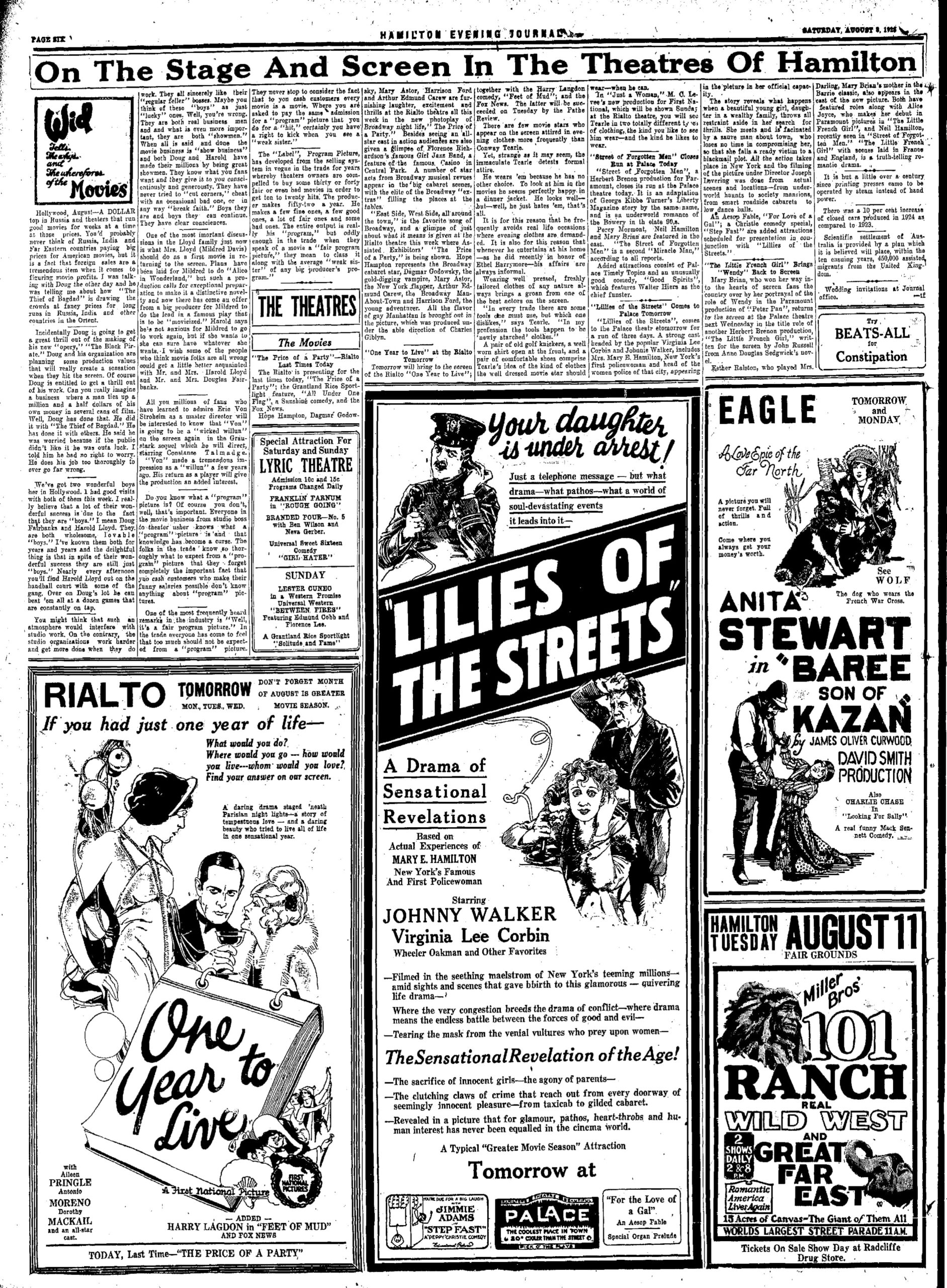
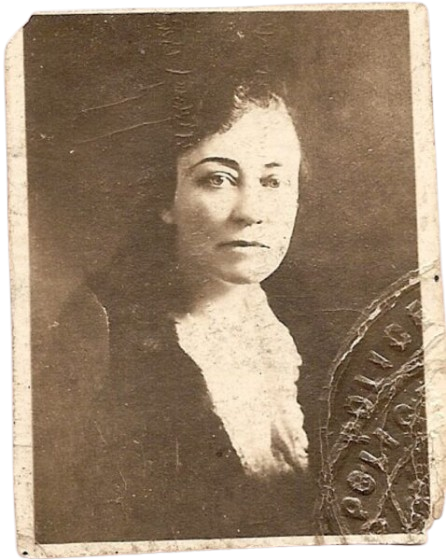
⭐ Mary E. Hamilton
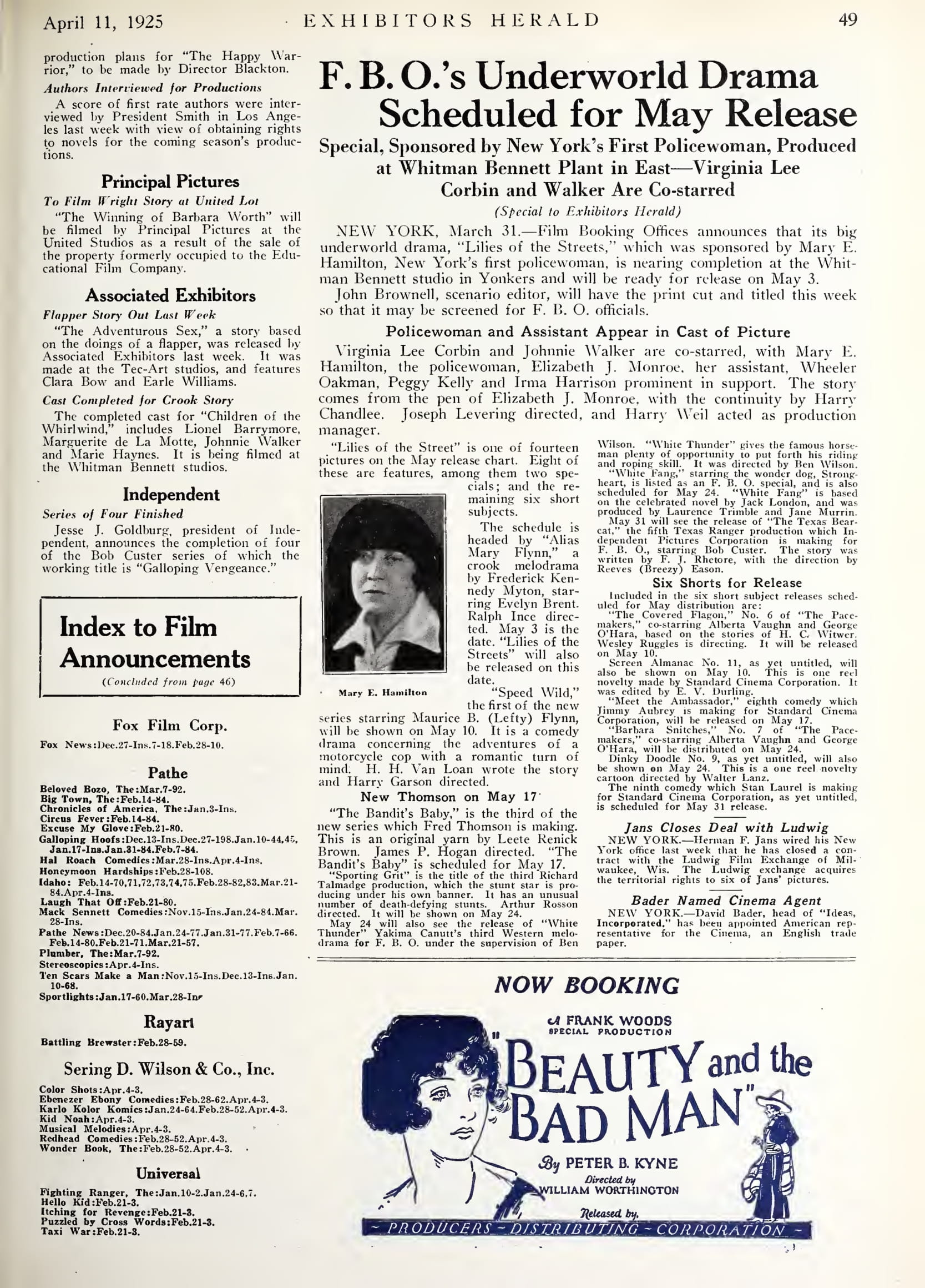
Role in Film: Herself — Policewoman
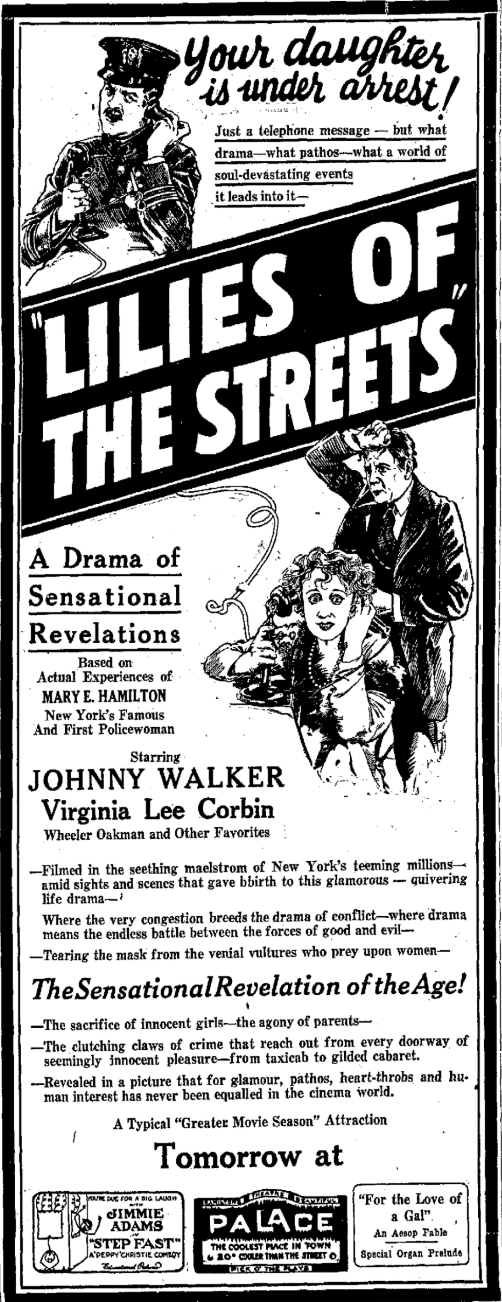
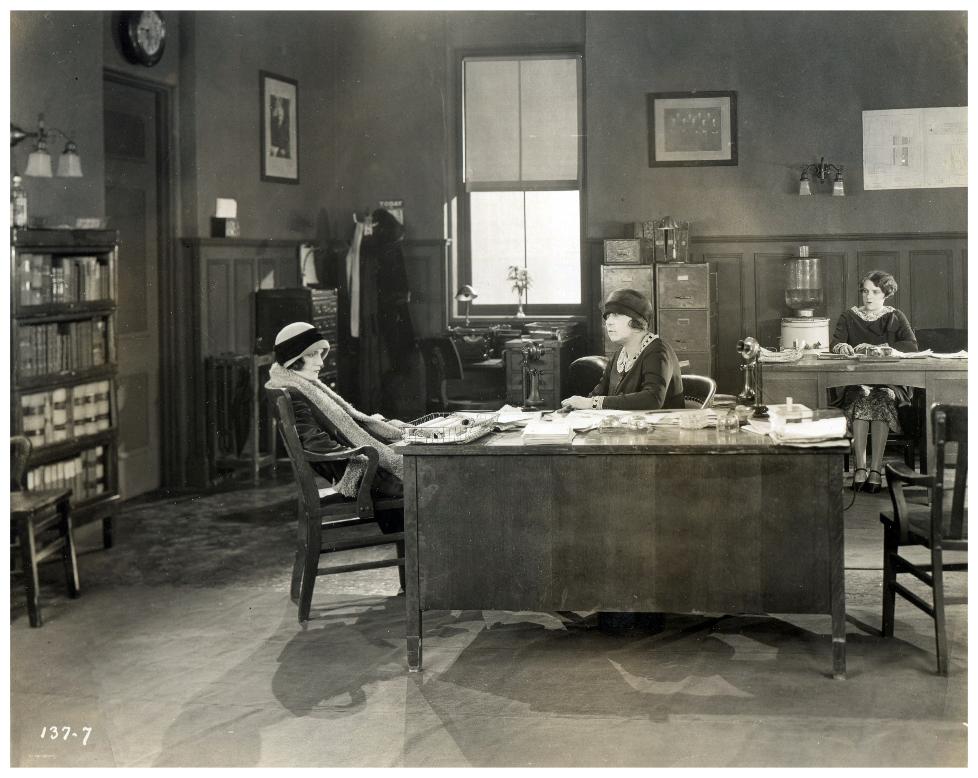
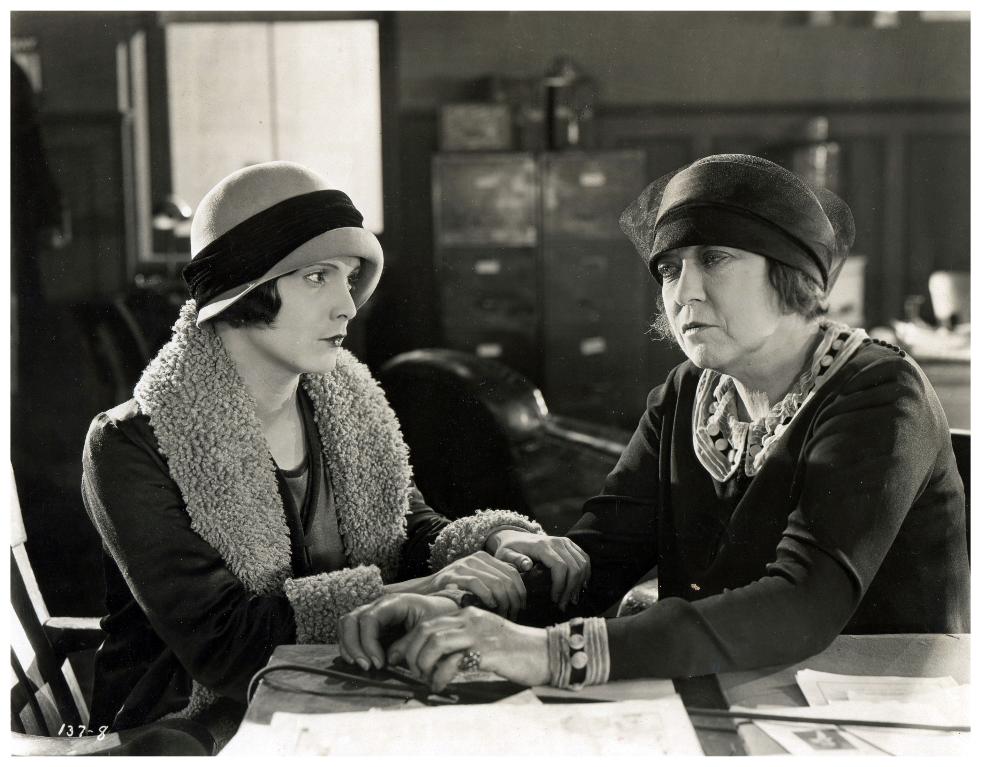
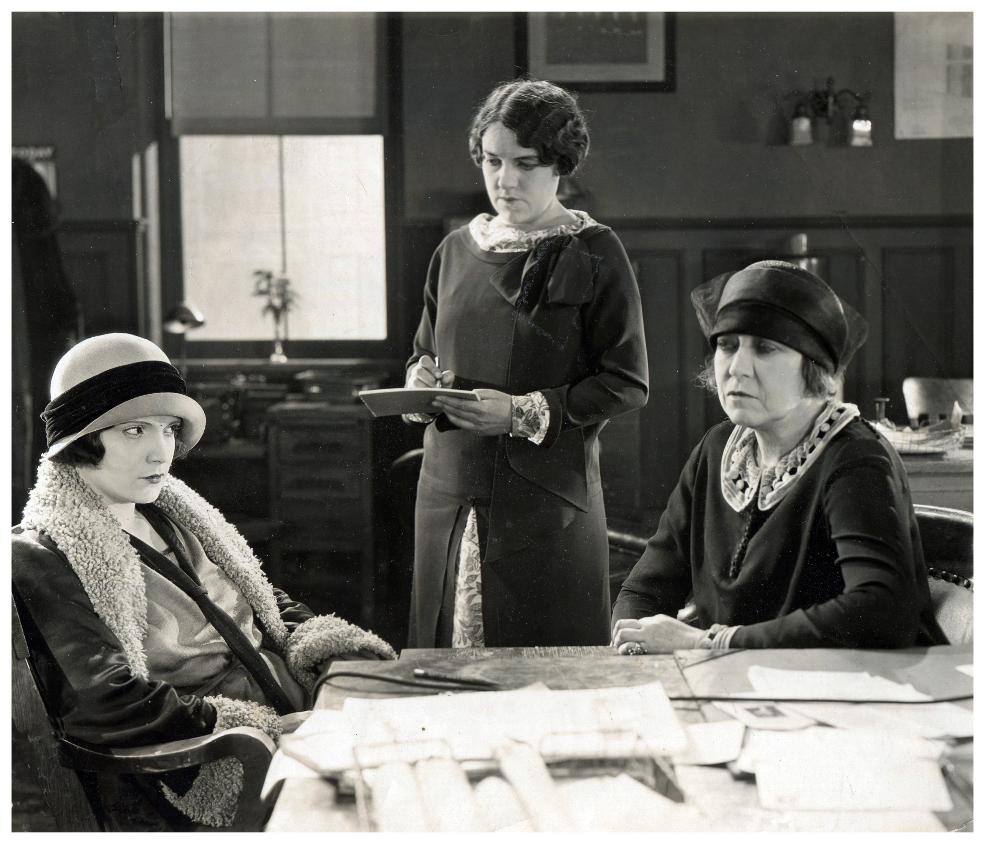
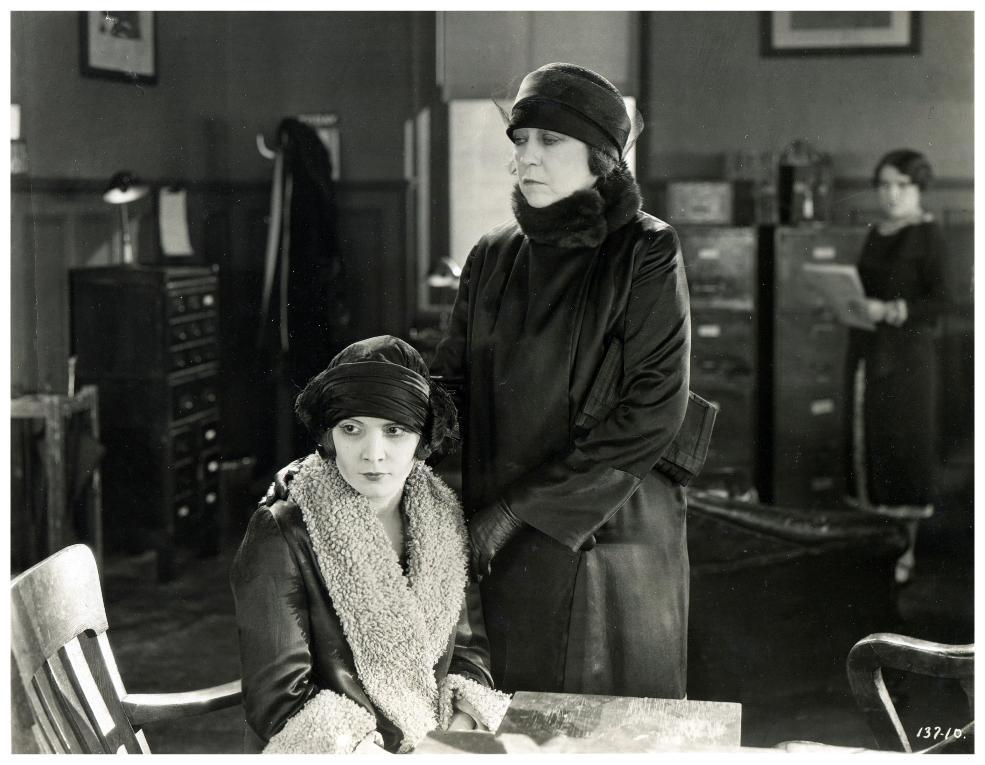
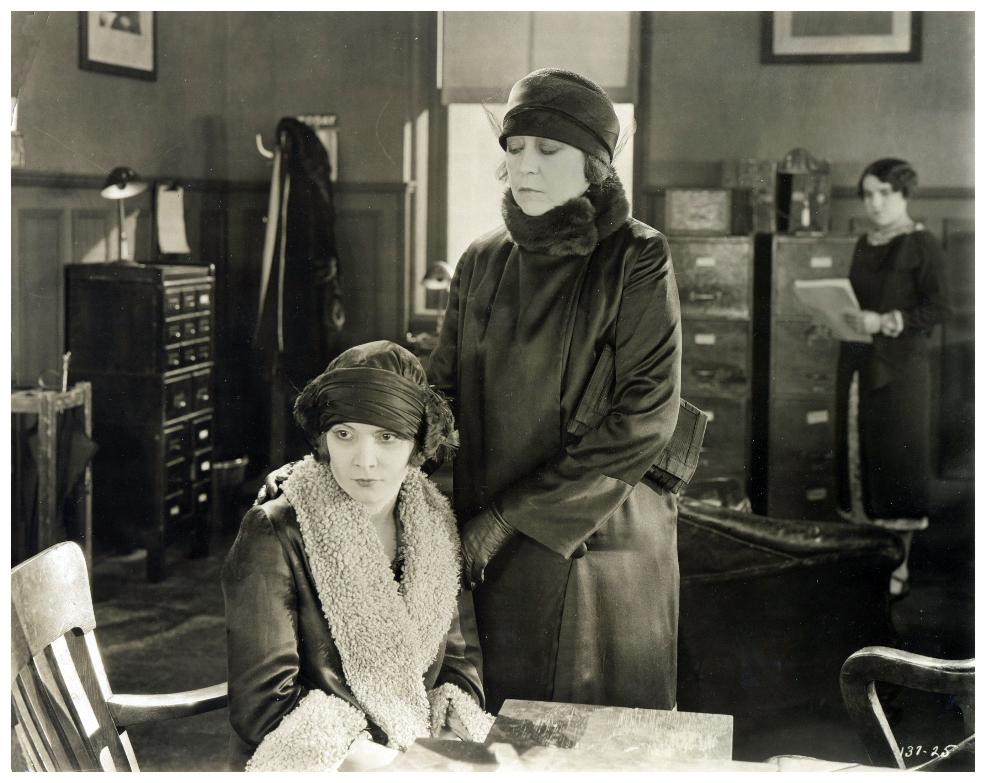
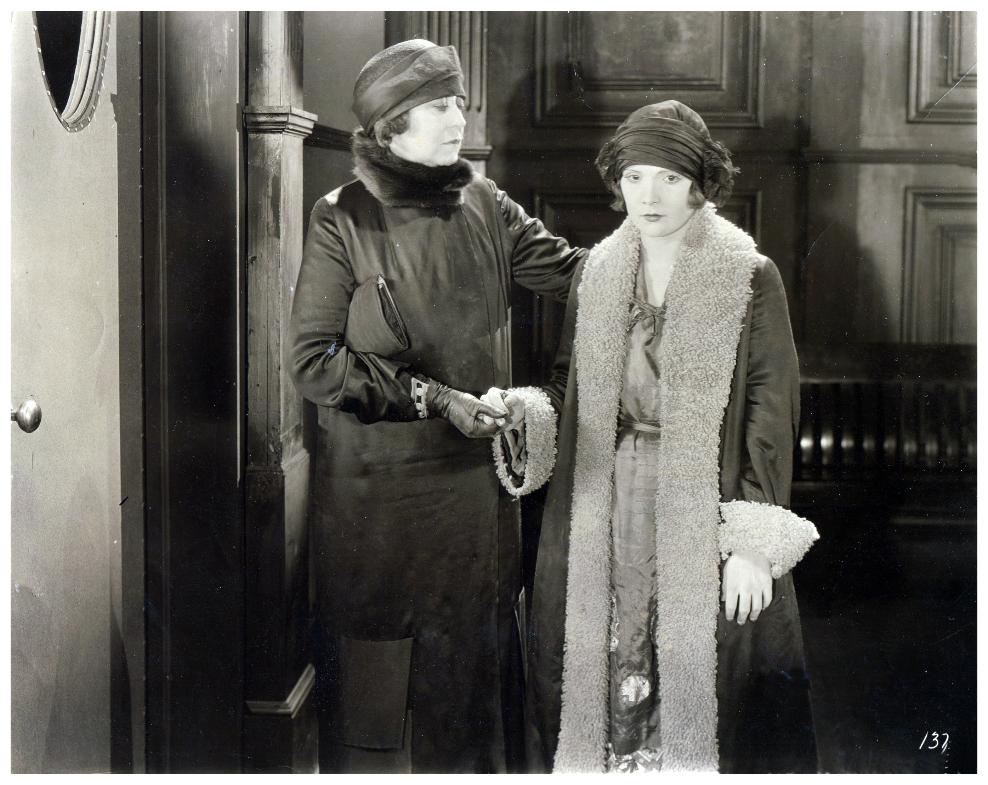
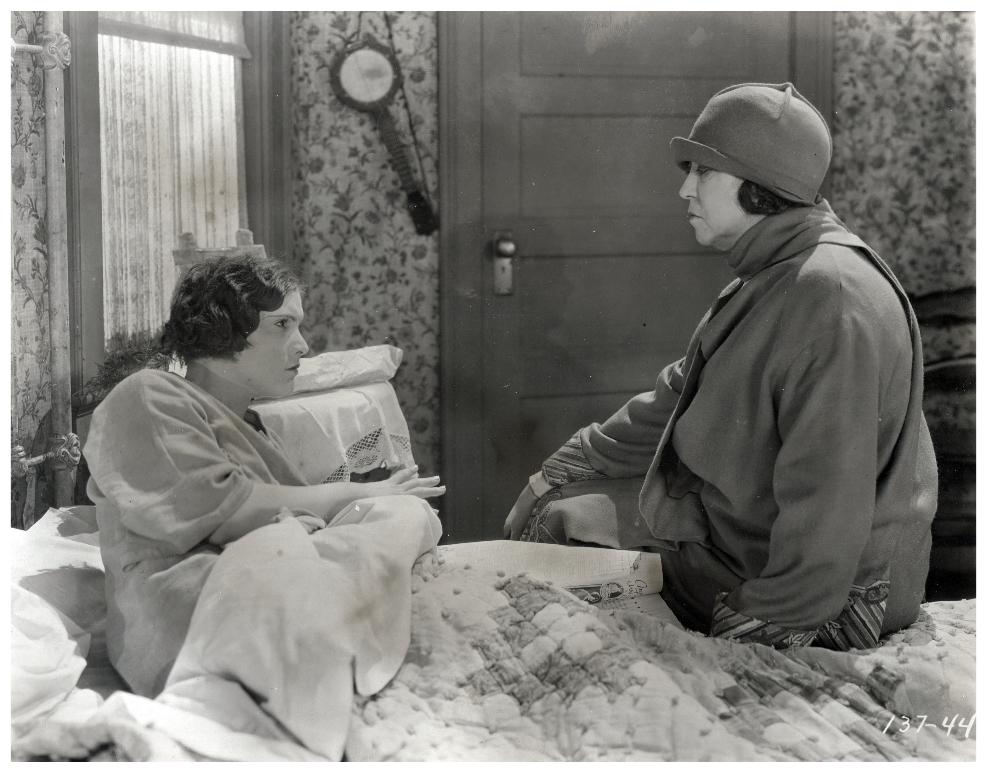
New York’s first policewoman and head of the city’s welfare and policewomen’s division. She not only sponsored and presented the film through Belban Productions, but also appeared on-screen as herself, lending authenticity to its story of protecting young women from exploitation.
New York’s first policewoman and head of the city’s welfare and policewomen’s division. She not only sponsored and presented the film through Belban Productions, but also appeared on-screen as herself, lending authenticity to its story of protecting young women from exploitation.
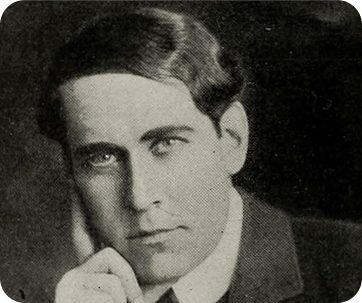
🎬 Joseph Levering
Role: Director
• Active in the film industry from 1911 to the late 1930s.
• Directed melodramas and westerns, including The Tie That Binds (1923) and Stagecoach Days (1938).
• In Lilies of the Streets, he shaped the blend of crime, morality, and courtroom drama.
• Critics singled out her performance as the strongest in the film.
• Active in the film industry from 1911 to the late 1930s.
• Directed melodramas and westerns, including The Tie That Binds (1923) and Stagecoach Days (1938).
• In Lilies of the Streets, he shaped the blend of crime, morality, and courtroom drama.
• Critics singled out her performance as the strongest in the film.
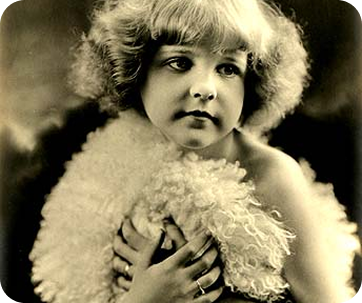
🎭 Virginia Lee Corbin
Role: Judith Lee (the wealthy flapper)
• Former child star turned prolific silent-era actress.
• Known for Broken Laws (1924), Wine of Youth (1924), and Bare Knees (1928).
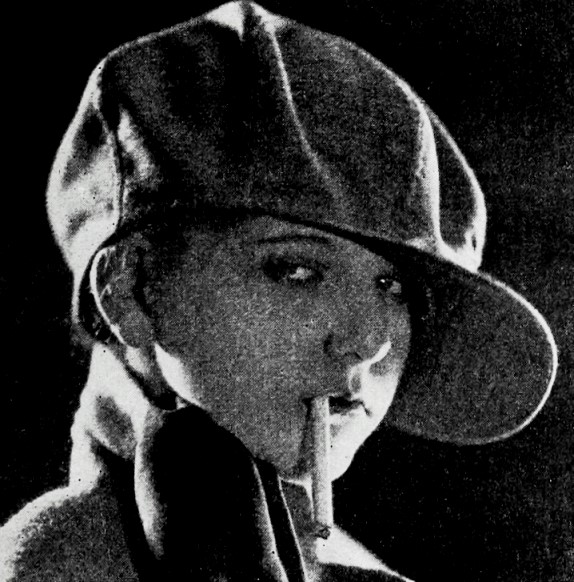
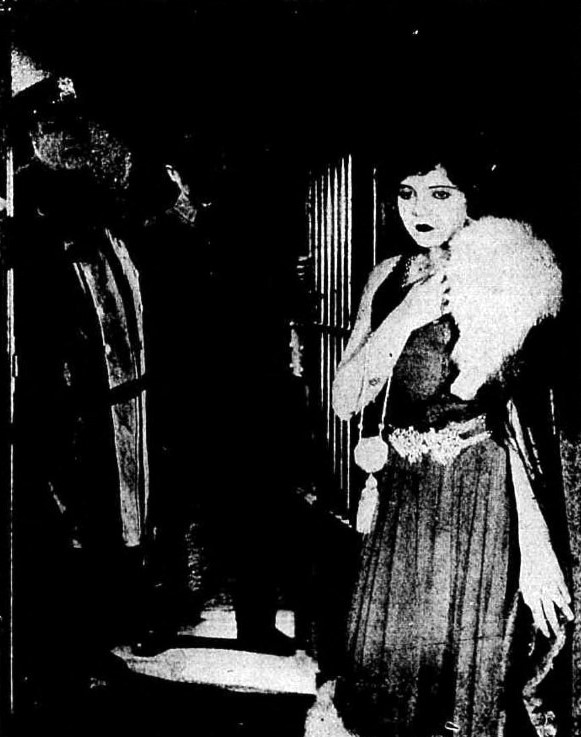
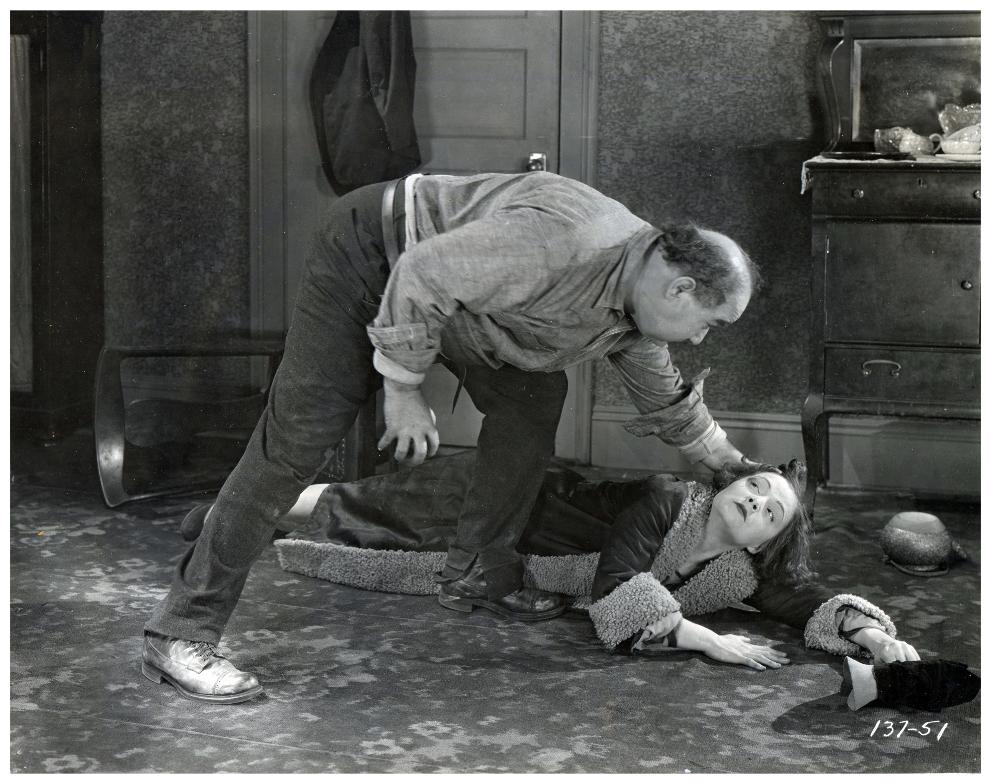
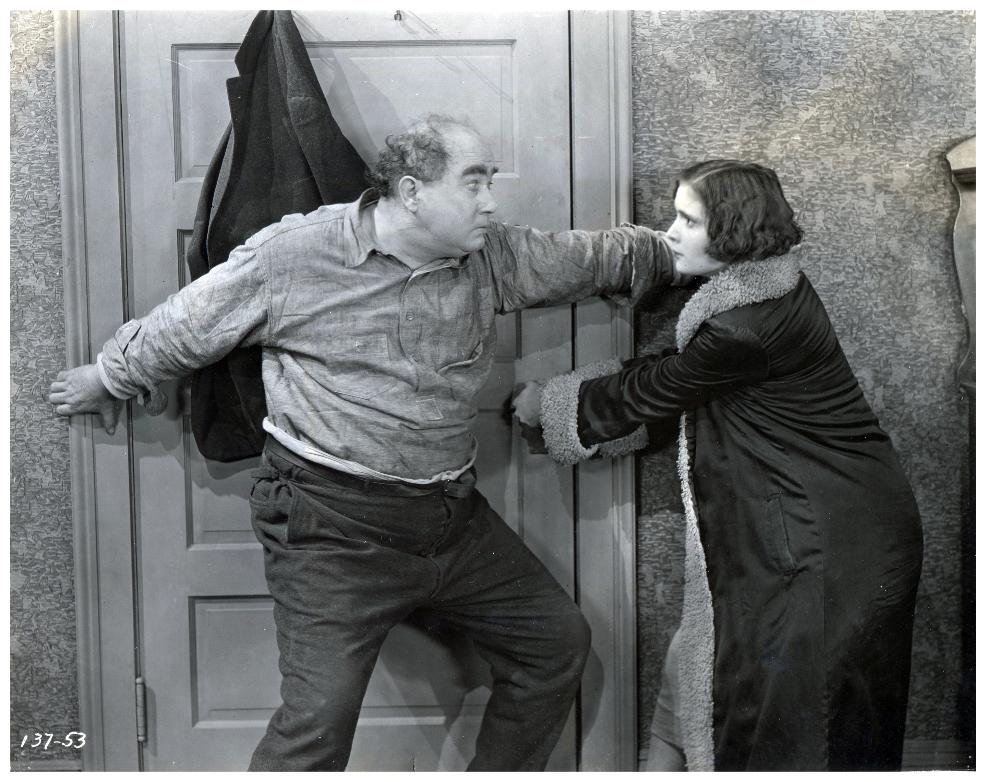
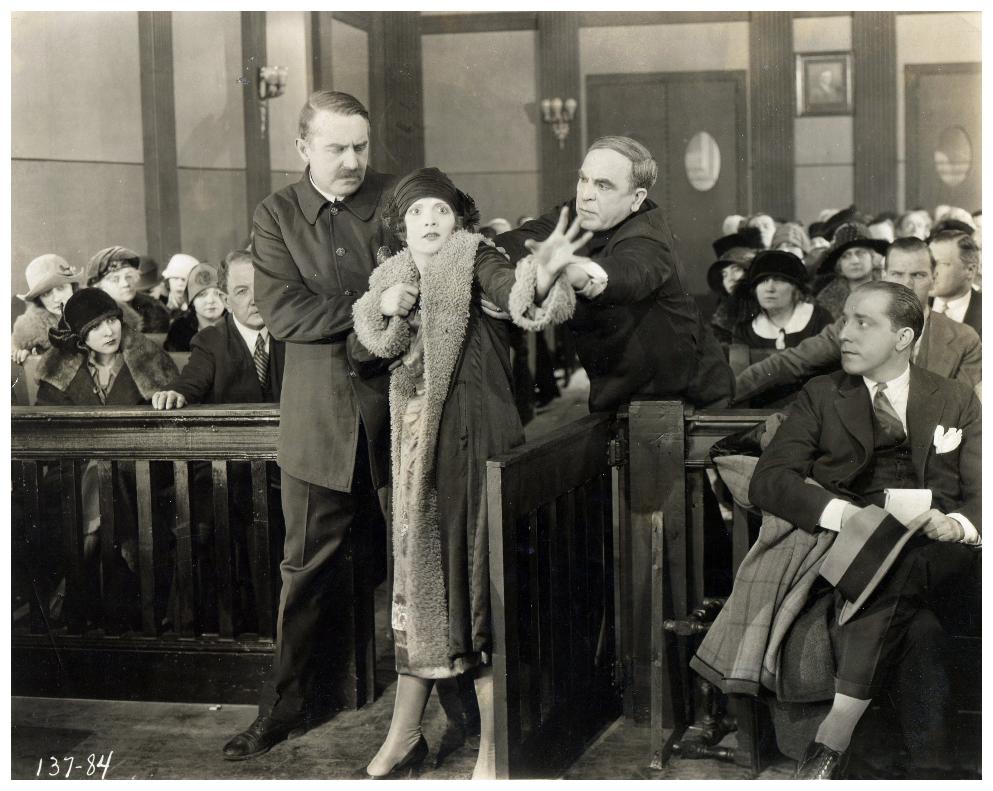
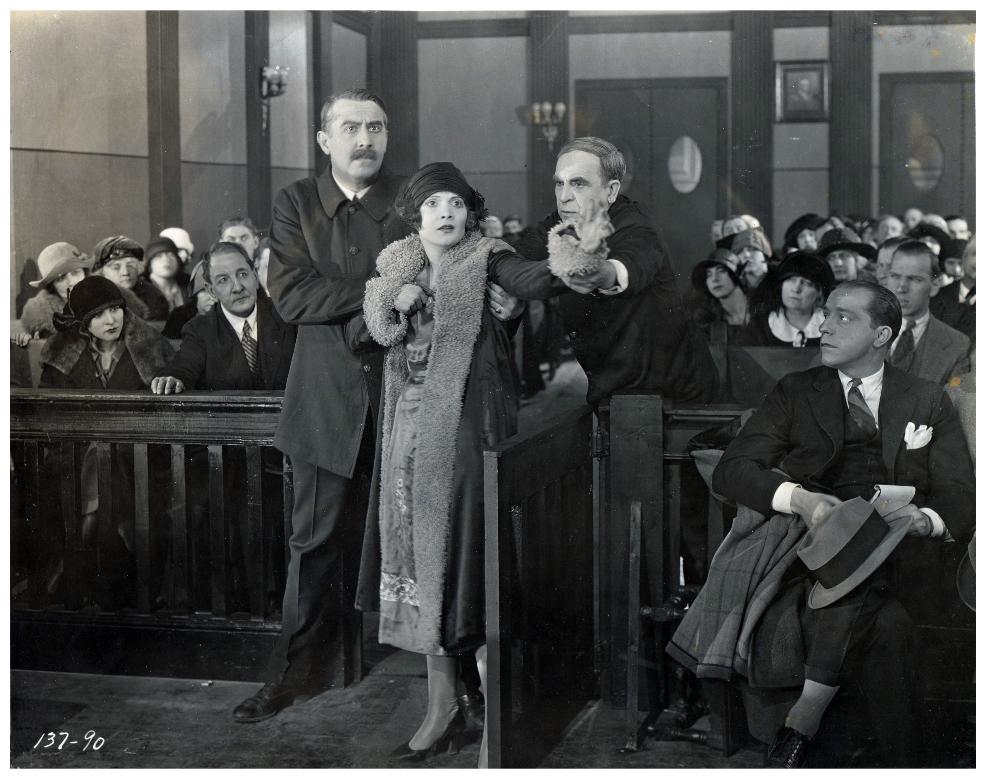
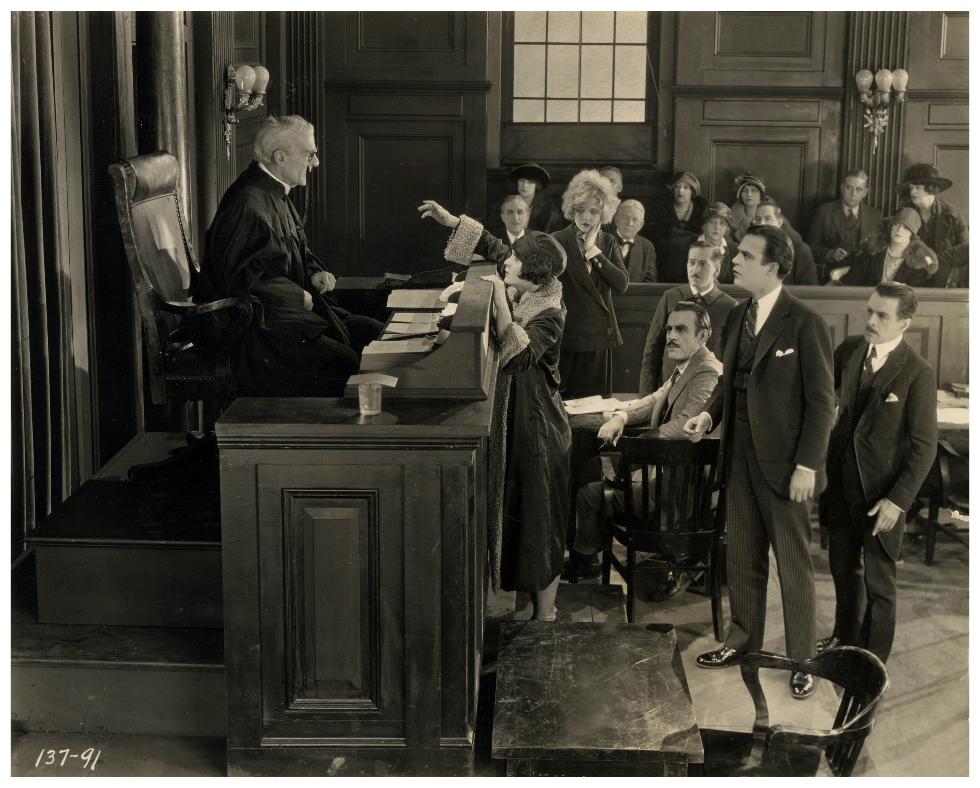
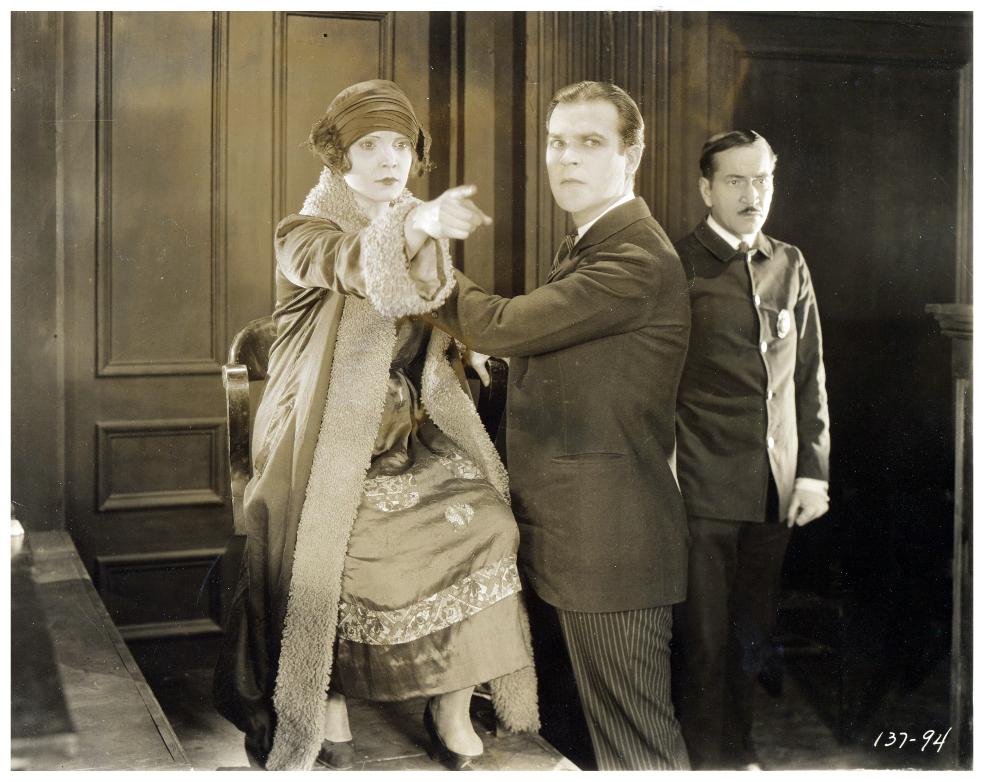
• Plays Judith, a privileged young woman lured into Delmore’s schemes, wrongly branded as a prostitute, and nearly condemned before being saved.
• Former child star turned prolific silent-era actress.
• Known for Broken Laws (1924), Wine of Youth (1924), and Bare Knees (1928).
• Plays Judith, a privileged young woman lured into Delmore’s schemes, wrongly branded as a prostitute, and nearly condemned before being saved.
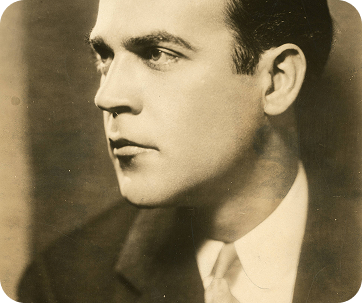
🎭 Johnnie Walker
Role: John Harding (the loyal lawyer/fiancé)
• Popular leading man of silent melodramas and romances in the 1920s.
• In the film, he is Judith’s steadfast suitor who defends her at trial and fights to prove her innocence.
• Credited with a strong, sincere performance as the fighting attorney.
• Popular leading man of silent melodramas and romances in the 1920s.
• In the film, he is Judith’s steadfast suitor who defends her at trial and fights to prove her innocence.
• Credited with a strong, sincere performance as the fighting attorney.
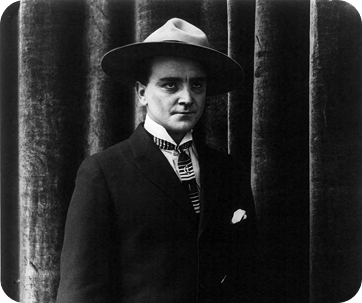
🎭 Wheeler Oakman
Role: Frank Delmore (the villain)
• Veteran actor of silent and early sound films, often in crime dramas and westerns.
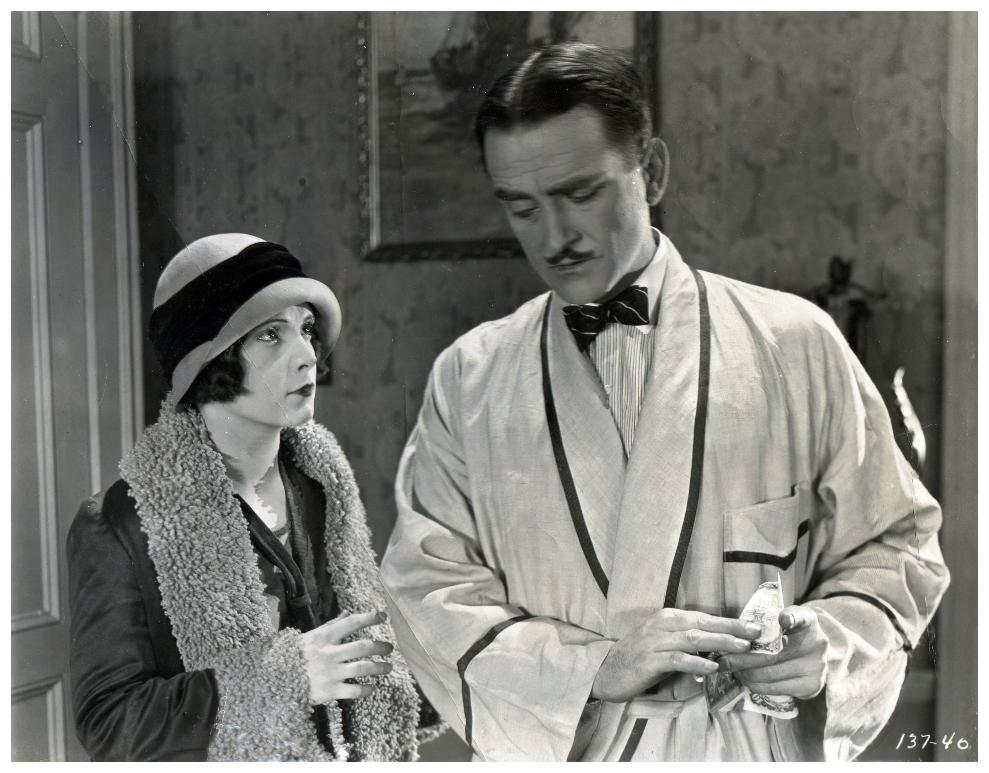
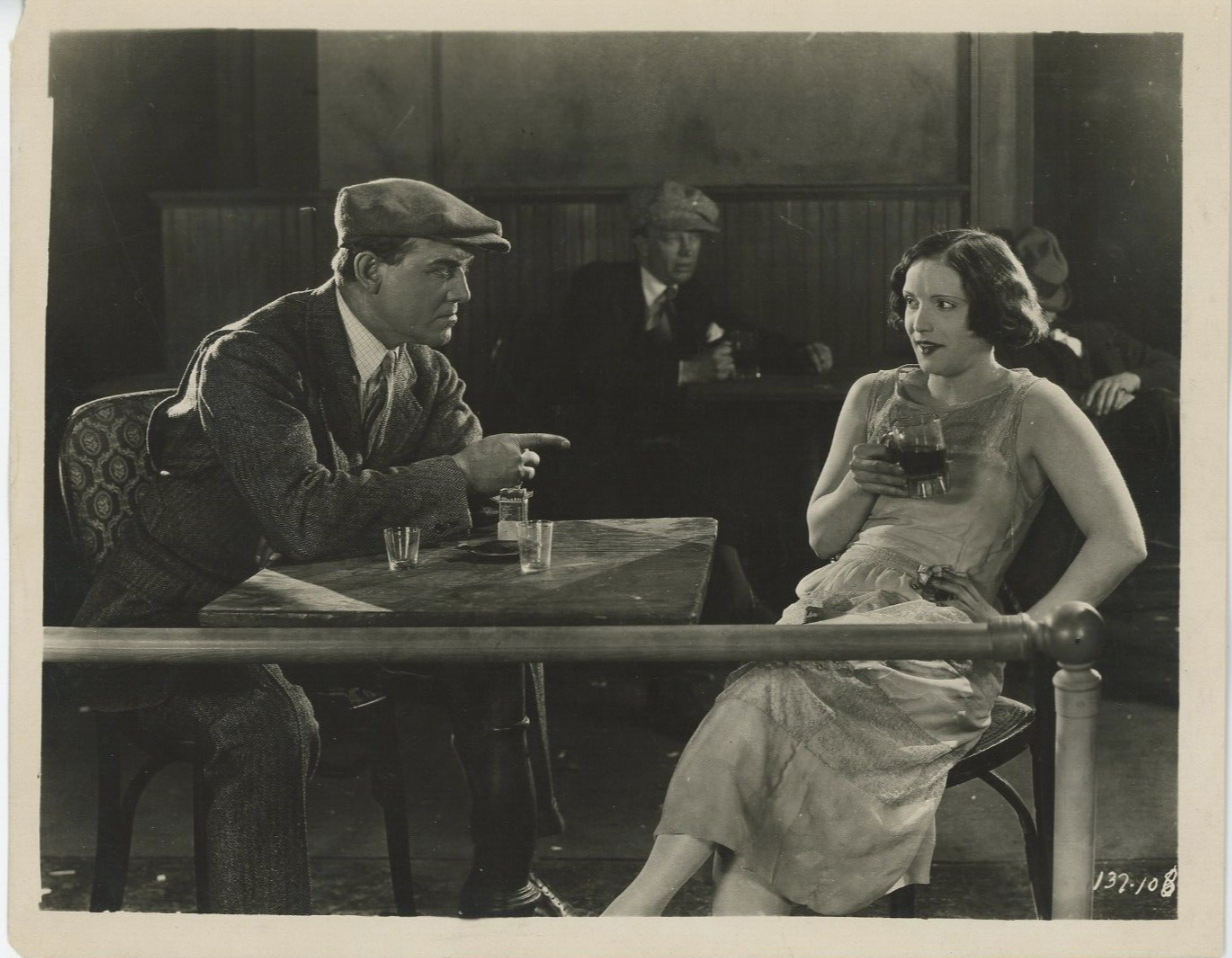
• Plays the suave but sinister crook who entraps girls with a “plea” scheme and manipulates families for blackmail.
• Described in reviews as effective in the thankless role of the villain.
• Veteran actor of silent and early sound films, often in crime dramas and westerns.
• Plays the suave but sinister crook who entraps girls with a “plea” scheme and manipulates families for blackmail.
• Described in reviews as effective in the thankless role of the villain.
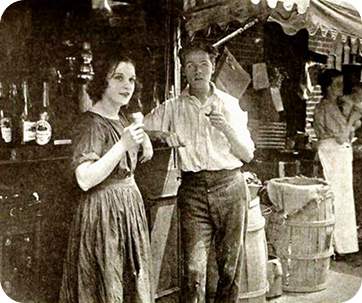
🎭 Irma Harrison
Role: Margy Hopkins (the tragic victim)
• Silent-era actress discovered by D.W. Griffith.
• In the film, she plays Margy, a poor girl destroyed by Delmore’s schemes.
• Her dying confession is the turning point that saves Judith.
• Critics singled out her performance as the strongest in the film.
• Silent-era actress discovered by D.W. Griffith.
• In the film, she plays Margy, a poor girl destroyed by Delmore’s schemes.
• Her dying confession is the turning point that saves Judith.
• Critics singled out her performance as the strongest in the film.
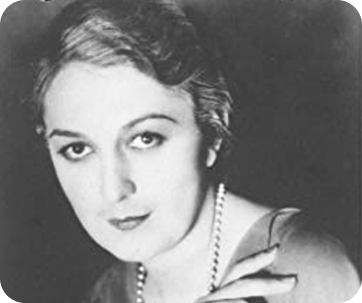
🎭 Dorothy Cumming
Role: Mrs. Lee (Judith’s mother)
• Australian-born actress best known for The King of Kings (1927).
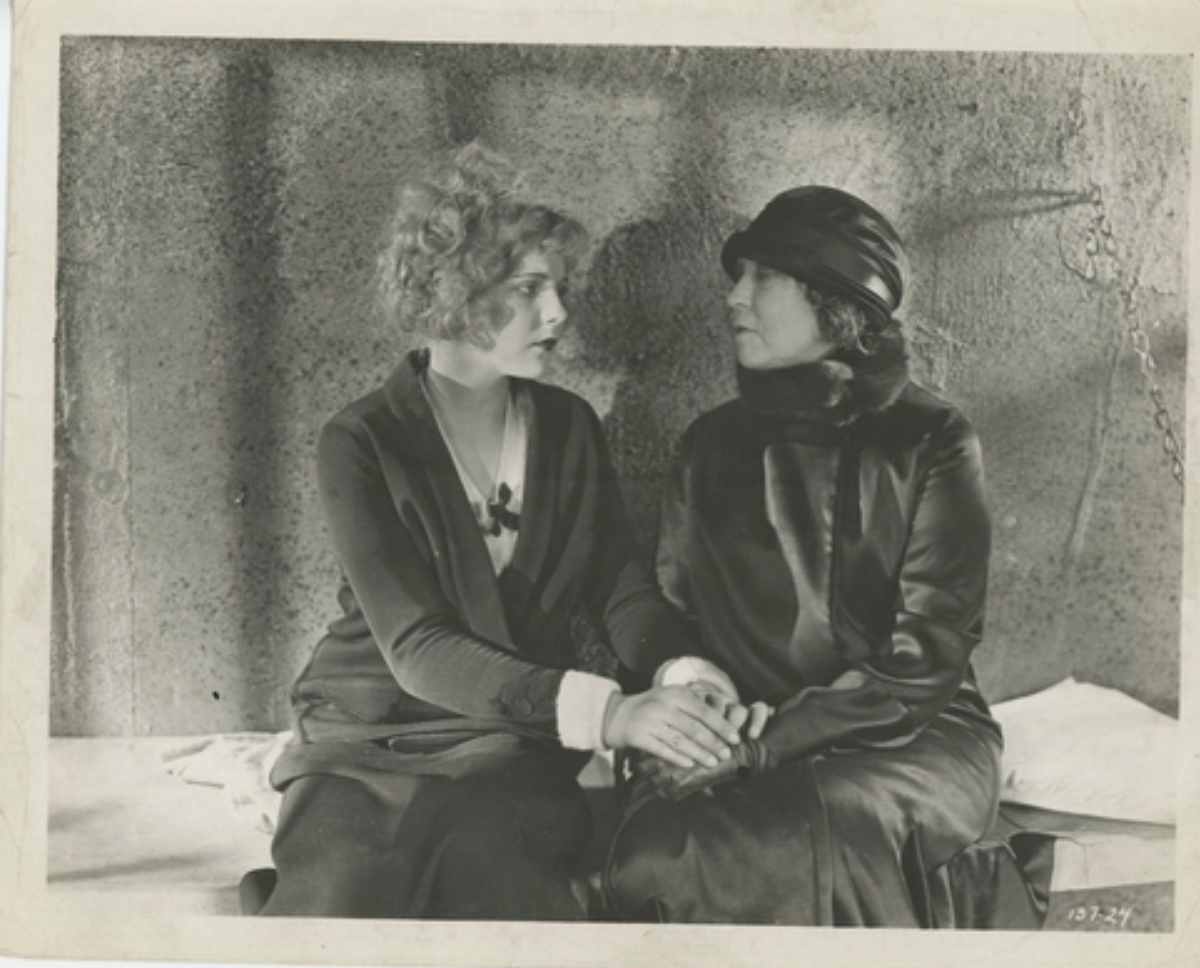
• Plays Judith’s frivolous mother, whose neglect contributes to Judith’s downfall and who nearly becomes entangled with Delmore herself.
• Australian-born actress best known for The King of Kings (1927).
• Plays Judith’s frivolous mother, whose neglect contributes to Judith’s downfall and who nearly becomes entangled with Delmore herself.
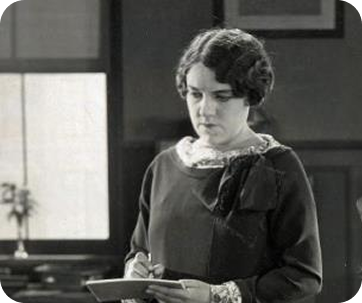
🎭 Elizabeth J. Monroe
Role: Herself — Assistant to Mrs. Hamilton / Story Author
• Longtime assistant to Mary E. Hamilton in her police work.
• Wrote the original story for Lilies of the Streets and appears on screen as herself.
• Her script drew on real-life cases she witnessed while working with Hamilton.
• Longtime assistant to Mary E. Hamilton in her police work.
• Wrote the original story for Lilies of the Streets and appears on screen as herself.
• Her script drew on real-life cases she witnessed while working with Hamilton.

🎬 Joseph Levering
Role: Director
• Active in the film industry from 1911 to the late 1930s.
• Directed melodramas and westerns, including The Tie That Binds (1923) and Stagecoach Days (1938).
• In Lilies of the Streets, he shaped the blend of crime, morality, and courtroom drama.
• Critics singled out her performance as the strongest in the film.
• Active in the film industry from 1911 to the late 1930s.
• Directed melodramas and westerns, including The Tie That Binds (1923) and Stagecoach Days (1938).
• In Lilies of the Streets, he shaped the blend of crime, morality, and courtroom drama.
• Critics singled out her performance as the strongest in the film.
🎭 Dorothy Cumming
Role: Mrs. Lee (Judith’s mother)
• Australian-born actress best known for The King of Kings (1927).
• Plays Judith’s frivolous mother, whose neglect contributes to Judith’s downfall and who nearly becomes entangled with Delmore herself.
• Australian-born actress best known for The King of Kings (1927).
• Plays Judith’s frivolous mother, whose neglect contributes to Judith’s downfall and who nearly becomes entangled with Delmore herself.